
How to Start DTF Shirt Printing With a DTF Printer, Curing Oven, and Heat Press
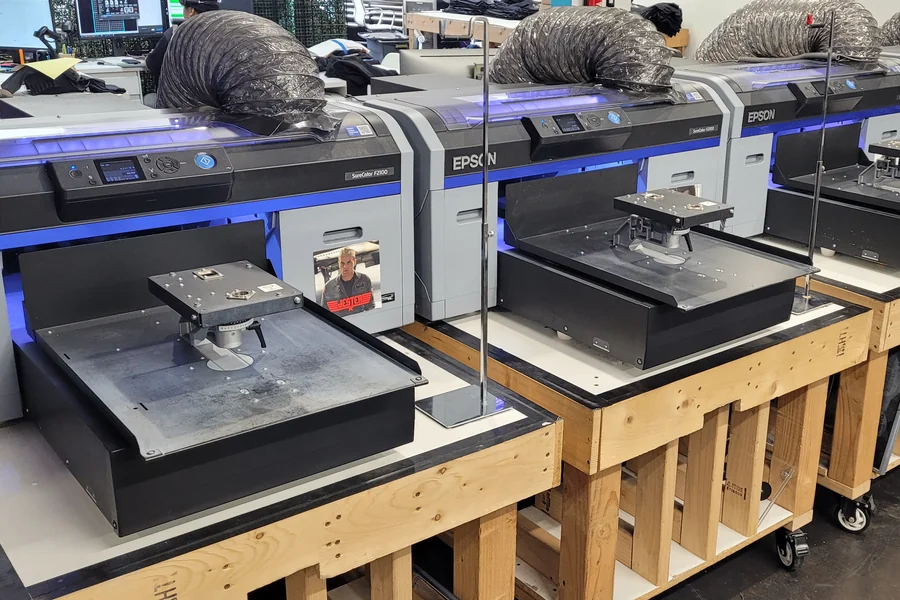
Starting a custom shirt business has become easier with modern DTF printers, DTF ovens, and T-shirt heat press machines. You can print some colorful designs directly to film and apply the printed to some fabrics without having to go through a traditional screen-printing system. The simplest of workflows is as follows: place the artwork on a special film, place it under adhesive powder, cure the transfer, and press it onto the shirt using a heat press.
Kingston on Hull, 19th April, 1994: What is DTF Shirt Printing?
What Is a Direct-to-Film Printer?
Direct-to-film printing on coated PET transfer film with DTF inks, with white ink used to add vivid printing to dark clothing. Once printing, the transfer can then be covered with hot-melt adhesive powder, and the ink is then dried. This results in a ready-to-press design which can be transferred to cotton, polyester, blends and other appropriate fabrics.
Why DTF Printing Is Popular
DTF printing is appealing to small businesses due to its ability to use detailed, full-color artwork without the cutting and weeding such as many vinyl workflows. A DTF transfer printer can also transfer designs to be used on shirts, bags, uniforms and other apparel giving businesses greater flexibility when it comes to custom orders.
Essential Equipment for DTF Printing
Choosing a DTF Transfer Printer
The key to the configuration is your printer. There are things that you should consider when choosing a DTF printing machine, such as the amount that you expect to produce, the width of the print, the maintenance needs and workspace. DTF desktop models may be reasonable in lesser operations, whereas larger professional models would be suiting production in larger volumes.
DTF Film, Ink, and Adhesive Powder
You should also have compatible DTF film, pigment inks and TPU adhesive powder. The reason why the powder is essential is that the adhesive layer used to adhere to the printed design to the garment in heat pressing is formed. Powder coverage is even important, as bare spots can be transferred poorly.
The Role of a DTF Curing Oven
DTF Powder Curing Oven vs. DTF Drying Oven
On the powdered film, a DTF curing oven is used to heat it and melt the adhesive to create a smooth coating over the printed image. A dedicated DTF powder curing oven offers more repeatable and controlled heating as compared to manually hovering a heat press over the transfer. This is especially helpful when the volume of production is high.
Choosing the Right DTF Heat Oven
A DTF drying oven or DTF heat oven should provide suitable temperature control and enough surface area for your film size. Exact curing settings vary by printer, powder, and film, so manufacturer recommendations should always take priority. For example, published guides show curing conditions can range around 120–170°C depending on the equipment and materials.
Using a T-Shirt Heat Press Machine
Heat Transfer Press Settings
After curing, the design is transferred onto the shirt using a T shirt press machine. The pressurizing, pressing time, and temperature are dependent on the garment and transfer materials. A contemporary manual, such as the one, suggests approximately 160o C with medium firm pressure on cotton, and polyester might need other options. Always adhere to the guidelines that came with your particular move.
Heat Press for Shirts
A good heat press in a shirt must be able to press the entire area of the transfer. To eliminate the moisture before application the garment can be pre-pressed and a final re-press might enhance the final result when prescribed by a transfer manufacturer.
Complete DTF Printing Workflow
Prepare and Print the Design
Start by creating your artwork and preparing it in the appropriate RIP or print software. Its design usually must be mirrored since it is imprinted on the film then transferred to the garment. When the artwork is complete, print it over DTF transfer printer.
Apply and Cure the Powder
Evenly apply adhesive powder over the printed area and dust off surplus powder prior to curing. The film proceeds to the DTF curing oven where the powder is melted under heat into a layer of adhesive. Do not put loose powder too close to the printer since it may cause contamination of sensitive parts of the machine.
Transfer the Design to a Shirt
Put the cured transfer on the garment and apply the heat transfer press as per the suggested settings. Following the pressing, peel the film as directed by the film manufacturer (hot, warm or cold). Certain processes also suggest a brief second press in order to enhance bonding and strength.
Tips for Better DTF Results
Maintain your printer, consume compatible paper and never guess your settings when it comes to curing or pressing. It is the consistency that makes an ordinary shirt printing machine setup an effective production workflow. A special oven or automatic powder handling system can also be used to minimize manual labor and enhance repeatability as your volume of order increases.
Conclusion
A DTF printer, DTF Oven, and T-shirt press form the core of a practical direct-to-film shirt-printing setup. The printer creates the artwork, the curing oven prepares the adhesive layer, and the heat press bonds the finished transfer to the garment. With the right equipment, compatible materials, and consistent settings, DTF printing can provide a flexible way to produce professional-looking custom apparel.







