
Portable Power Station Noise Levels Compared
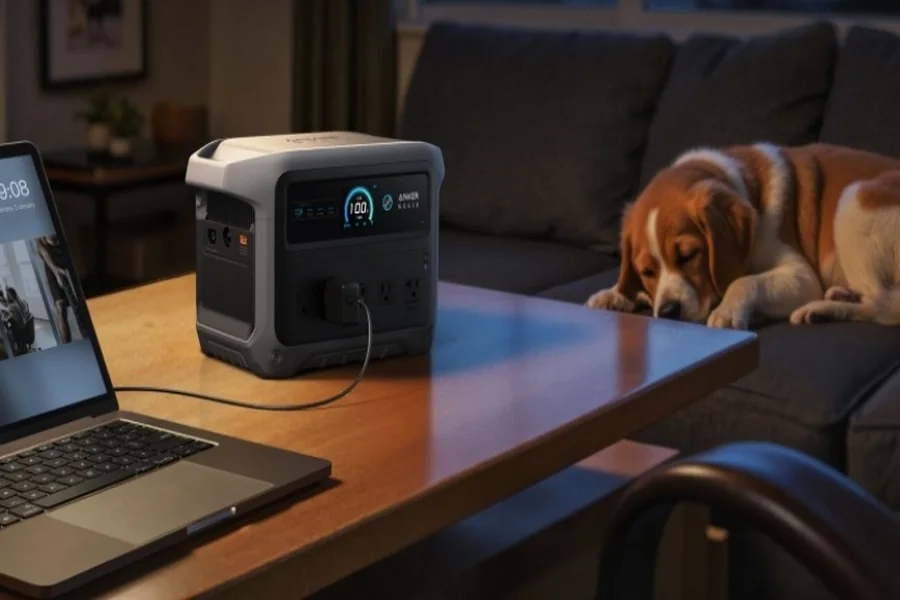
The noise level of portable power stations can range from almost silent to an audible noise, depending on the design, charging practices and the power consumed by the equipment. If you’re buying a unit to keep on hand inside, a quiet unit can be as important as battery capacity or output. Noise may disrupt sleep, concentration, communication and comfort, particularly in small rooms or tents. By knowing the root of that sound you can compare the models more accurately and select the right portable power station to keep as a backup for use at home, at work, in the field, and for everyday convenience without letting it disturb you.
Why Noise Level Matters in a Portable Power Station?
Quiet Backup Power for Homes and Workspaces
A quieter portable power station provides a better experience for living with during power outages, work sessions, and overnight use. The steady hum of a fan could interfere with sleeping or working in bedrooms, home offices or other areas where quiet is essential. The fact that the backup power is low noise also means that you don’t feel its presence when using routers, lights, laptops or small appliances. When discharging under 200W, Anker SOLIX C1000 Gen 2 runs at an ultra-quiet 0-20dB. This type of operation is particularly helpful to those that wish to have an assured power source indoors but do not wish to create a constant mechanical noise.
Reducing Noise During Camping and Outdoor Use
Outdoor noise is important, as campsites, cabins, and van set-ups are often selected for their quietness. A high-decibel power station can make it hard to carry on a conversation, relax and sleep, particularly at night when ambient noise is lower. Reducing noise is also useful if you need to operate a CPAP machine, phone, light or camera in a small area, or if you are in close proximity to others. Quiet operation enhances the user experience for outdoor users, while maintaining convenience. It makes a portable power station move more easily towards the sleeping areas instead of taking it further away to minimize the noise from the fan.
What Determines Portable Power Station Noise Levels?
Cooling Fans and Heat Management Systems
Most portable power stations are noisy, caused primarily by the cooling fans. The system will ramp up the airflow if internal components are getting hot to prevent damage to the battery, inverter, charging circuits. Units that are better thermally designed can better control heat and preclude abrupt and loud fan increases. Other factors affecting the sound profile include airflow path, vent placement, and fan size. Larger, slower fans probably sound smoother than smaller, high-speed fans. Advanced heat management helps to maintain a stable temperature and therefore helps to reduce aggressive cooling cycles as well as noise while operating.
Charging Speed and Its Impact on Fan Noise
Fast charging is good, but often produces more heat and leads to increased fan noise. If a portable power station is drawing high power from a wall outlet or solar system, it’s doing more work and cooling systems are more active. That’s why the units make such a loud sound while charging as opposed to when they are just powering up small devices. Models that have charging speed options can be beneficial for the users in reducing noise if the rapid charging is not required. Lower charging speeds can reduce heat generation which can lead to more consistent performance of the fan and quieter operation within the home.
Power Load and Real-Time Noise Changes
The noise may vary continuously as a function of the amount of power that the unit is producing. Powering a phone charger or laptop will generate a lot less heat than using a coffee maker, microwave or electric tool. The more the inverter/battery system produces heat, the faster the speed of the fans. This will imply a power station which is quiet at light load can become noisy at higher load. When comparing noise, think about both low and high wattage, rather than just the one advertised.
Comparing Portable Power Station Noise Performance
Compact Models: Lower Power, Quieter Operation
Portable power stations that are compact usually have the lowest noise level, as they are designed for smaller power requirements and lower heat generation. They are typically used to power phones, tablets, routers, cameras, and laptops without having to use intense cooling. Typically, the fan activity remains very low or sporadic even at normal operating temperatures. This means that small units are suitable for bedrooms, desks, tents and short trips where silence is important. The constraints on them are their output capacity. Compact units might not meet the power requirements when users have to operate heating appliances, kitchen equipment, or several electronics simultaneously.
Mid-Range Models: Balance Between Power and Noise
Typically, mid-range models provide a balance between the output and noise level. They can accommodate a wider range of devices, such as small appliances and work equipment, without being too loud in light to moderate carrying loads. This type is generally ideal for users that require a single power station for home backup, travel and outdoor activities. The sound of the fan is more audible than the units with compact design, but under normal conditions, it can be controlled by good design of thermal performance. For many homes, this range is a good amount of flexibility without venturing into overpowering higher capacity realms.
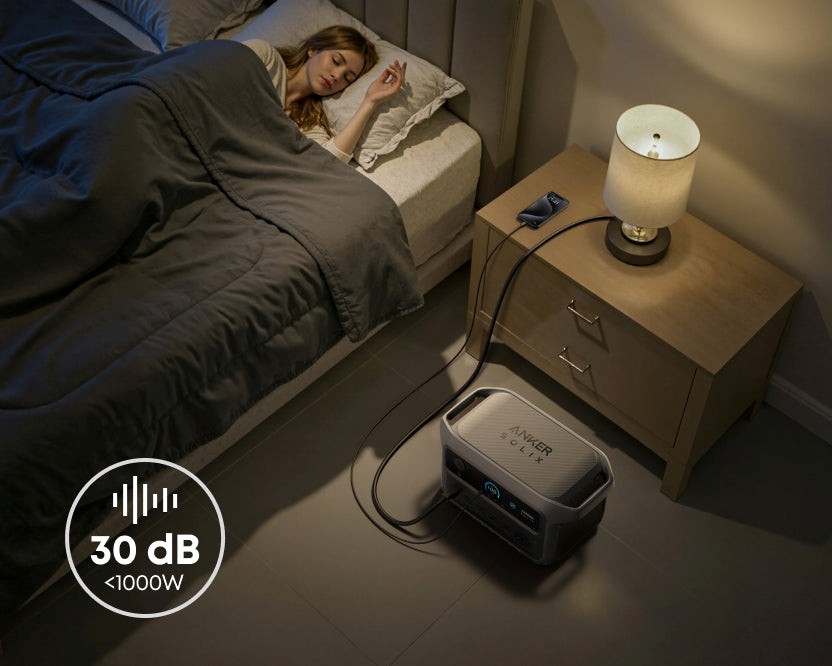
High-Capacity Models: More Power With Advanced Cooling
Generally, high-capacity portable power stations will have stronger cooling systems to operate heavy duty appliances for extended periods of time. This additional performance can also result in increased noise from the fan, particularly when charging rapidly or discharging heavily. But with some engineering, these larger units can be kept from being too loud. The advanced cooling controls, enhanced air flow and more intelligent temperature monitoring help keep sound levels consistent. They are appropriate for users who require serious backup power but should take careful consideration of actual noise made during operation, as it is no good to have a high capacity device that is loud to use indoors.
Conclusion
Cooling design, charging speed and power load influence the noise level of portable power stations. The quietest experience for most buyers is to choose the largest model possible only when it is needed to achieve a realistic purpose. Compact models are typically quieter, mid-range models are a solid balance, and high-capacity models rely heavily on sophisticated thermal management. If quiet operation in the home is a priority, don’t rely on battery capacity and test the unit’s performance at low loads. This is where daily-life differences occur when it comes to how you use it, particularly when you are working, sleeping or winding down in the evening.







