
How to Research a New Hobby Before Spending Money on It
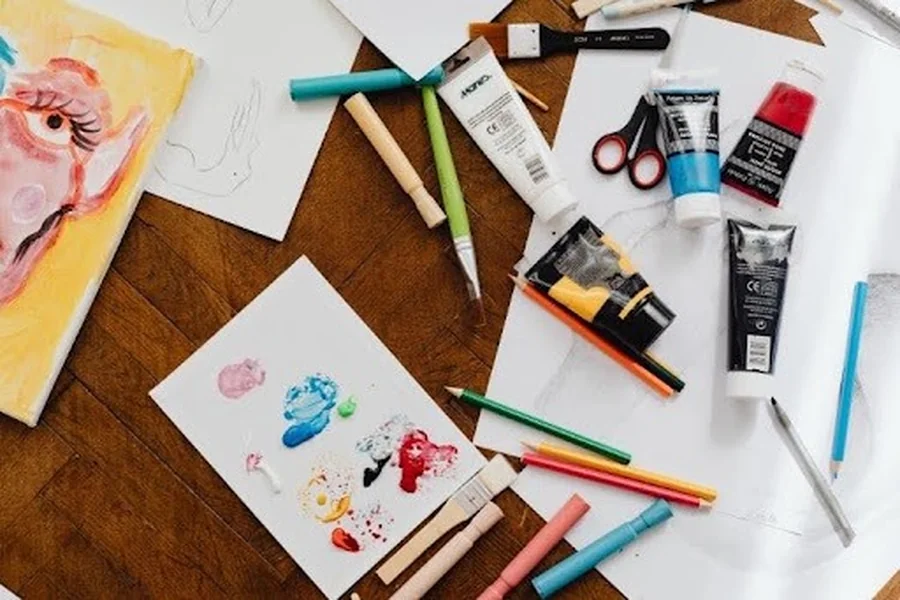
There is nothing better than making a simple week a bit more interesting by starting a new hobby. The issue is that the euphoria of the entry may also encourage you to purchase the gadgets, supplies, subscriptions, or expertise goods without understanding what you really want.
You can save some money by doing a bit of research and help you decide on whether an interest is worth you. You do not have to take weeks to see all the details. Rather, concentrate on the practical questions: what the beginners want, whether or not the hobby will be really expensive over time, how much time and space they will need, and what they can afford to buy at present.
Start With the Hobby, Not the Shopping List
Search for novice tutorials that describe the general routine as opposed to the sole attention to products. To a gardener, someone interested in gardening, should know about the watering, light, seasons to grow plants, and take care of plants before determining which ones should go into the shed.
Jot down the simplest tasks and think of ways that they would make them a part of your usual week. Consider how frequently you can realistically do the hobby and give time to practice and where you can practice it.
This will soon point out possible issues. Some hobby, which requires several in-length hours per weekend, might not be appropriate in a person, whose schedule is unreliable. Similarly, a project that needs a separate area might be challenging in a tiny flat.
Learn the Language Before Buying Anything
The terminologies in most types of hobbies do not make sense to a beginner since they would seem a different language to the true amateurs. When the fundamentals are learned, the costly misunderstandings can be avoided.
Begin with the words that characterize variations of products, level of skill, materials, sizes, and techniques. No you need not have professional knowledge. You just require sufficient information to know what you make a comparison with.
This is particularly applicable in hobbies whereby seemingly similar products can be used in different ways. It can be seeds, camera lenses, yarn, paints, fishing gear, or musical instruments and they can all differ significantly regarding the purposes intended.
Write a brief text in your phone with some new words and meanings. Gradually add to it as you study. You will be more equipped to realize which attributes are important and those that are unlikely to impact on your experience when you finally make a shop.
Compare Several Types of Information
Retailers know their products, enthusiasts know what they feel like to use, and beginner guides can explain the basics. Looking at several perspectives gives you a more rounded picture.
A useful research mix might include:
- Beginner guides explaining how to get started
- Specialist retailers showing what products are available
- Community discussions about common problems
- Reviews describing long-term experiences
- Manufacturer instructions for technical details
Be particularly careful with recommendations that immediately push beginners toward the most expensive setup. A high-end product may be excellent, but that does not automatically make it necessary for someone who has never tried the activity.
The same applies to specialist hobbies. Someone researching home growing, for example, might look at the types of cannabis and marijuana seeds available from Pacific Seed Bank alongside educational material about cultivation and the laws that apply where they live.
Comparing information helps separate what is available to buy from what is practical or appropriate for you.
Research Specialist Products Before You Commit
Once you understand the basics, start looking more closely at the products associated with the hobby. This is where specific research becomes more useful than a generic “best products” search.
Consider gardening as an example. Choosing seeds is not simply a matter of finding a variety that sounds interesting. A beginner should consider the available growing environment and learn what a particular plant needs before buying it.
When researching cannabis cultivation where legally permitted, looking at the options from Pacific Seed Bank can form one part of that product research. In contrast, check local rules and cultivation requirements separately.
Transfer to any hobby. Rather than posing the question What is the best camera? posing the question What camera fits a beginner who primary wants to take photographs of family events would be more appropriate. Certain questions will provide you with much more relevant information to your conditions.
Work Out the Real Cost of Getting Started
Initial appearance about price of a hobby can hardly be fully the cost. You might also require replenishing materials, maintenance, storage, classes and memberships, software, travelings or other recurring expenses.
Separate the possible expenditures into three categories; the first category of those things you simply have to purchase now, secondly purchase now but can be postponed and finally optional expenditures. It is much easier to notice something enticing and unneeded products.
And what you possess already. A craft project can be done on a kitchen table rather than on a specific desk. It could be a smartphone that will be used to get familiar with the basics of photography before purchasing a separate camera. Most of the currently used tools in gardening can suffice to undertake the initial planting projects without visiting the outlet one more time.
Assuming you can, experiment with a less-committed one first. Take one class, borrow equipment, rent specialist equipment, or start small. During the early phase, you can save your money and have time to learn what features you really care about.
Know When Online Advice Is Actually Useful
Questions answered by online communities can be answered in a way that is not possible based on product descriptions. They may demonstrate you what novices are normally regretting purchasing, which activities just remain longer than forecasted, and what issues come up once the novelty of buying items and services are already set in stone.
Nevertheless, take advice with a pinch of salt. A professional hobbyist can have equipment that he or she recommends through years of experience and not on the requirements of the beginner. An individual might just like this or that kind of style or approach.
Find definitions instead of dogmas. Buy this one, tells thee little. The answer to questions such as who should use a product, its restriction and the reason why a person has used it will provide you with information that you can use in your scenario.
Listen to arguments, as well. They can tell us, where one has to feel it more than to do what would be right.
Final Thoughts
Studying a hobby need not be funless and would also not be a chore. It must also assist you not to squander money on purchases that remain untouched in a closet after one month.
First familiarize yourself with the hobby, basic terminology, browse online and differentiate between what is required and what is not. Most important, you get research products that are a fit to your space, schedule, budget, and goals and not what some other person has needed.
There is no substantial initial investment that is required to join a new interest in your life. Begin small and get to know what you like, and through this experience you can make the next purchase.







