
The Reason Why Pitch Conditions Could Influence the Outcome of a Football Match
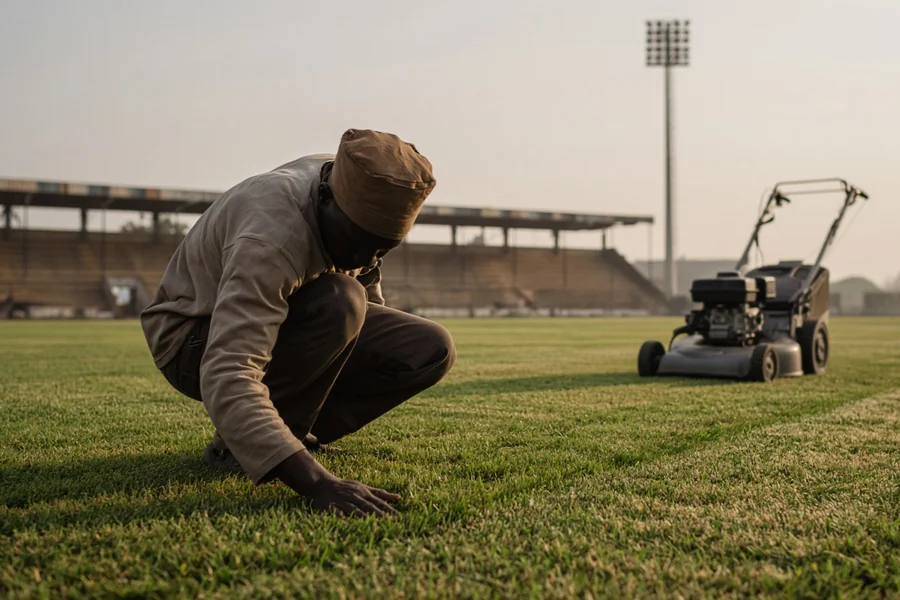
It is often said that football is a very simple game. However, pitch conditions could be a great source of uncertainty when playing such a sport. They affect passing accuracy, ball speed, and player fitness over the course of 90 minutes. The weather and turf conditions could turn an ordinary match into something unexpected and exciting to watch. Continue reading in order to find out what effects pitch conditions have on the outcome of a match.
How Weather and Pitch Conditions Influence the Game
The heavy rain makes the turf softer and reduces the speed at which the ball rolls on it. In addition, players have to make adjustments related to passing weight and timing in order to adapt to this factor. One popular option is to download the MelBet APK, which is used by fans interested in tracking team performance in certain weather conditions. Before choosing tactics for a particular game, coaches study reports about the pitch conditions carefully.
Firm and dry turf makes the game much faster and more accurate. Teams that prefer playing with short passing sequences usually do well on this type of pitch. Meanwhile, muddy or uneven turf could nullify the technical superiority of a team and favor aggressive and physical play. Groundskeepers try their best to make the turf consistent during the whole season. Even slight differences in grass height or moisture could affect the outcome of one particular match.
Home Advantage and Adjusting to Local Pitches
Away teams always experience difficulties adapting to local pitch dimensions and turf. Sometimes, the home club could keep the grass length to fit its style of play. Bettors interested in tactical aspects of the game sometimes go through a MelBet create account procedure in order to access match previews and statistics. It often includes the analysis of the venue’s pitch condition in previous seasons.
Some teams make their home pitches purposely uncomfortable for opponents. Wide pitch conditions allow the teams to play more expansive football, while narrow pitches reduce the space available for playing. Also, altitude, climate, and humidity are among the key factors influencing team preparation for away fixtures. Managers often send scouts in advance to get information about turf conditions before a match.
Comparison of Common Pitches and Their Influence
There are many different pitch conditions in various leagues and stadiums. It is helpful to see the difference between them to understand why certain games are different. The following table provides an overview of how different pitches can affect the game.
| Pitch Condition | Ball Behavior | Typical Impact on Play |
| Dry, firm pitch | Fast, true bounce | Favors quick passing and speed |
| Wet, soft pitch | Slower, unpredictable bounce | Increases mistakes, favors long balls |
| Uneven or patchy pitch | Erratic, inconsistent bounce | Raises injury risk, disrupts control |
The above comparison shows that teams need different tactics to cope with each condition. Analysts and coaches always consider such characteristics to predict a team’s performance. Every pitch is unique, even if there are several of them in one stadium.
Injuries and Physical Strain of Players on Poor Pitches
The poor condition of the playing surface leads to increased physical load on the players’ bodies. Inconsistent footing makes the players twist or slip, causing various injuries. The sports medicine department always checks turf hardness to decide whether it is safe to have intense training sessions. Players get tired faster playing against muddy fields.
Teams spend significant funds to have efficient drainage and heating of the pitch for this reason. Proper maintenance of the surface reduces the chance of getting non-contact injuries during the season. The referee also has the right to cancel or move the game to another stadium because of poor conditions.
Significance of Pitch Type in Different Leagues
Every surface type provides a unique experience for the teams. Top European leagues use natural grass reinforced with synthetic materials. Such hybrid pitches allow them to be in good condition after many matches. Lower leagues often use artificial turf because of the lack of money and maintenance.
Compared to natural grass, artificial surfaces provide a fast and predictable bounce. However, the players complain about increased physical fatigue after the game on the artificial turf. Teams can change their training schedule to play better on artificial surfaces.
Usage of Technological Innovations to Control the Quality of Pitches
Modern stadiums have sensors that measure soil moisture, temperature, and the condition of the grass. Groundskeepers use this information to make correct decisions regarding watering and cutting schedules. In some stadiums, there are retractable roofs to protect the pitch from too much rain or sunlight.

Also, grow lights help to make grass stronger during the winter months. In stadiums with low sunlight exposure, such equipment is especially necessary. Clubs use pitch-side cameras to detect any early signs of damage to the surface. Using such equipment is important for player safety and match quality.
Changes During the Season and Long-Term Effects
Pitches usually start to deteriorate during the season, especially in more humid regions. The early autumn games are usually completely different from the ones at the end of winter. Pitches become less comfortable as the season progresses due to frequent games. The grass on the edges of goals and midfields is constantly being used.
There are several reasons why pitches tend to deteriorate during a season. Understanding these aspects allows explaining why some months have rougher playing surfaces.
- Frequent matches lead to the deterioration of the grass that is under high pressure.
- Winter months significantly reduce grass growth and recovery processes.
- Heavy rainfall softens the soil and damages roots.
- There is no time for pitch recovery because of the many scheduled matches during the season.
The deterioration of playing fields during the season is one of the reasons why the late-season games are more prone to mistakes. Team analysts usually consider this aspect when preparing for important fixtures.
Coaching Adjustments Depending on the Pitch
It is quite common for coaches to ask for feedback from players regarding the conditions of the pitch before planning tactics. This information allows for determining whether the team should focus on short passing or direct play. Sometimes, pre-match training sessions recreate the expected pitch conditions. As a result, the pitch adaptation period before the game is significantly reduced.
Sometimes substitutions also depend on the pitch decisions made by the coach during the match. The manager might substitute his players by sending stronger players when the pitch becomes heavy. Technically skilled players might be brought in to play if the pitch allows fast passing.
Responding to Difficult Conditions on the Field of Play
Officials always inspect the pitch before the match to make sure that it is suitable for the game. Heavy rain or frost may postpone or cancel the fixture. The referee has to adjust his position on slippery pitches to get an adequate view of the game. Officials constantly communicate with the ground staff during the game when the weather changes.
Even video assistant referees can check the incidents influenced by bad visibility or pitch behavior. Special equipment is used by the ground staff to remove standing water from the pitch during breaks.
Why Does the Pitch Matter?
It is obvious that the pitch influences not only the comfort of the players. It affects the tactics, fitness of players, ball behavior, and final results. Understanding these aspects allows appreciating football better. The next time the weather becomes bad, do not forget about the pitch.







