Sustainable Phone Cases: Building a Conscious Accessory Wardrobe
A conscious wardrobe usually starts with the obvious things. Fewer, better shirts. Denim that survives a hundred washes. A coat you intend to keep for a decade. Then you reach into your pocket and pull out the object you touch more than any garment you own, and the same logic has somehow never been applied to it.
Phone cases get bought casually, in threes, usually on impulse, and they get discarded just as casually when the print gets boring or the corners split. That habit sits oddly next to a closet built on restraint. The piece costs little, so it escapes scrutiny, which is exactly how small purchases pile up into something larger.
There is no need to overstate the stakes. One case is one case. The argument for treating it carefully is the same argument that applies to any accessory: buy something built to last, choose a design you will still like in three years, and you will simply buy fewer of them.
Conscious Buying Did Not Stop at Clothing
Slow fashion starts with one test, whether you will still reach for a piece in five years. Accessories were slower to face it, though the thinking transfers neatly. A good pair of frames, as this site has argued about cat eye glasses, earns its place by being worn constantly rather than by being new. Cases sit in the same category of daily, visible, low-cost objects.
Electronics complicate that picture, because a case protects a device whose own lifespan is the bigger variable. The UN’s Global E-waste Monitor recorded 62 million tonnes of electronic waste in 2022, with less than a quarter formally collected and recycled, and it names limited repair options and shorter product life cycles among the causes. A case is not a solution to that. It is, at most, one of the things that keeps a phone alive and out of the pile a while longer.
Durability Is the Part You Can Actually Judge
Regulators have started to treat durability as a measurable property rather than a marketing adjective. The EU’s ecodesign framework, summarized on EUR-Lex, sets out requirements meant to improve durability, reusability, upgradability and reparability across product categories. That framing is useful for shoppers too, because it separates claims you can check from claims you cannot.
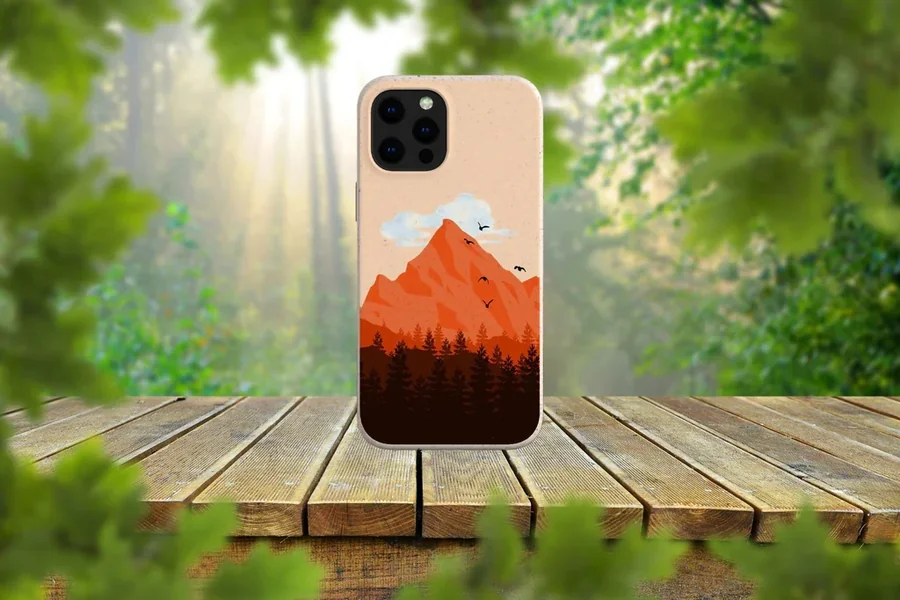
With a case, the things worth checking are physical. A shell should hold its shape after a drop, with real material behind the corners and the lip around the screen. Printing under a protective finish survives far longer than printing laid on top, which rubs away at the edges first. Fit matters as well, since a case that slackens after a year starts collecting grit and stops being worn. A case holds its place in a wardrobe when it clears those tests, which is why protective phone cases chosen on construction rather than novelty tend to outlast three cheap ones.
Design Choices That Age Well
Timelessness is less mystical than it sounds. Neutral grounds, restrained hardware, prints with some graphic logic rather than a reference to one particular month of the internet. The same instincts that keep tortoiseshell frames and a camel coat in service year after year apply here, and they are mostly about avoiding anything that dates loudly.
Material honesty helps too. A matte silicone, a clear polycarbonate and a leather-backed shell behave differently, age differently and suit different wardrobes, and knowing which one you actually want prevents the classic mistake of buying three to find out.
Where the Old One Goes
An intentional wardrobe also needs an exit plan, and this is where cases get vague. Most are mixed plastics with no obvious route, so the realistic moves are keeping a spare in a drawer, passing one on with a sold phone, or at minimum handling the device itself properly at the end. The EPA’s guidance on electronics donation and recycling is the practical reference for the phone, batteries very much included.
The Small Default That Does the Work
None of this makes a phone case a sustainability story on its own, and anyone selling it that way is overreaching. What it does is close a gap in a wardrobe that is otherwise thought through. You already ask how a sweater was made and how long it will last. The object in your hand deserves the same two questions.
The practical version is almost boring. Buy one good case instead of four mediocre ones, pick a design you can live with past the current mood, keep it until it fails, then deal with the phone responsibly when that day arrives.
Conscious consumption has always been less about dramatic gestures than about small defaults, repeated. Accessories are where those defaults show up most often, because you choose them constantly and barely notice choosing.