
Field Service Mobile App for Improving Job Closeout Processes
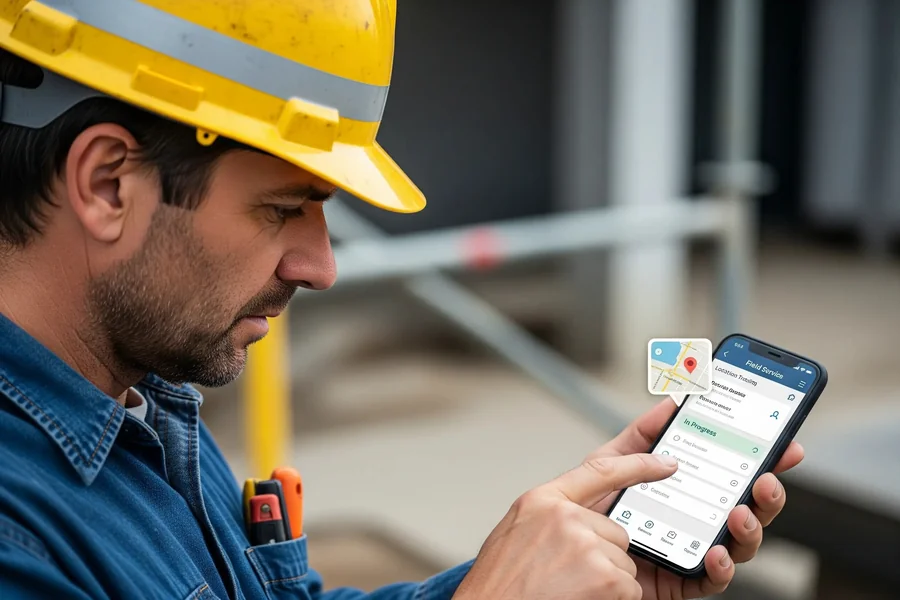
Completing the technical work does not always mean an assignment is operationally finished. Technicians may still need to document results, update job status, record important observations, and provide information required by office teams. When closeout processes are inconsistent, administrative delays can continue long after the technician leaves.
A field service mobile app can make job closeout part of the technician’s field workflow. Structured digital steps help ensure that important information is captured before an assignment is considered complete.
Define What Completion Requires
Technicians need clear expectations about what must happen before a job can be closed.
Simply marking an assignment finished may not provide enough information for office teams.
Create Consistent Closeout Steps
Required fields and digital workflows can guide technicians through the completion process.
A field service mobile app can help standardize these requirements across the workforce.
Record Outcomes Immediately
Job details are easiest to remember while technicians are still at the service location.
Waiting until later increases reliance on memory.
Recording outcomes promptly can improve the quality of service records.
Reduce End-of-Day Administration
Technicians who postpone documentation may face a large administrative workload after completing their appointments.
Mobile closeout allows recordkeeping to happen throughout the day.
Capture Reasons for Incomplete Work
Not every assignment can be fully resolved.
When follow-up is required, office teams need to understand why.
A field service mobile app can help technicians document outstanding requirements before closing their part of the visit.
Improve Follow-Up Scheduling
Detailed closeout information gives dispatchers better context when additional work needs to be planned.
They can understand what has already occurred and what the next appointment may require.
Help the Next Technician Prepare
If another employee performs the follow-up, clear records reduce the need to start the investigation again.
This improves continuity between visits.
Reduce Missing Information
Paper processes may allow technicians to skip important fields unintentionally.
Structured digital forms can highlight required information before completion.
This creates more consistent records.
Make Information Available Sooner
Completed paper documents may remain with technicians until they return to the office.
Digital closeout can shorten the time between field activity and office access to relevant information.
A field service mobile app helps connect these two stages.
Improve Service History
Every completed assignment contributes to the customer’s service record.
Detailed closeout information can become valuable during future visits.
Technicians can understand earlier work without relying entirely on customer recollection.
Support Operational Analysis
Consistent closeout records can reveal patterns.
Managers may identify common reasons for incomplete jobs, recurring follow-up needs, or differences between estimated and actual work.
Turn Closeout Into Learning
The end of a job should not only produce a record.
Aggregated information can help organizations improve preparation, scheduling, and field processes.
Keep the Process Practical
Documentation requirements should capture useful information without creating unnecessary administrative burden.
A well-designed closeout workflow balances completeness with technician efficiency.
Conclusion
A field service mobile app can improve job closeout by giving technicians a consistent process for recording outcomes, outstanding requirements, and other important information before an assignment is finished. Capturing details promptly reduces end-of-day paperwork and gives office teams faster access to field records. Clear closeout information also supports follow-up scheduling and future technician preparation. When organizations treat job completion as both a technical and information process, they can create stronger records and smoother operational handoffs.







