How A Professional Rodent Control Provider Protects Your Home
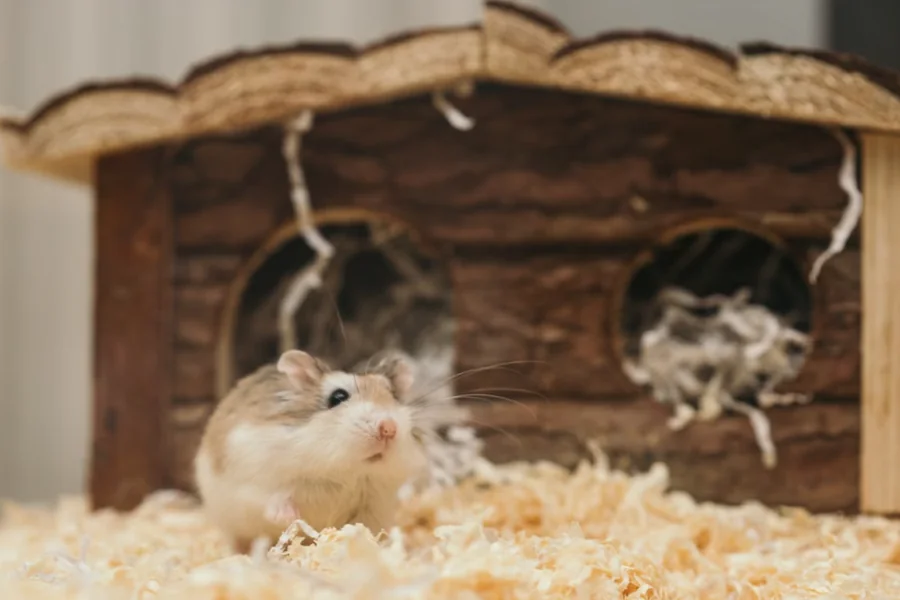
A scratching sound in the attic at 2 AM is sufficient to destroy the sleep of anyone. Rodents are hardly ever in one place, and they do not pause at being a nuisance.
They chew wiring, insulation, and stored food, and spread bacteria by droppings and urine. One mouse can become an infestation in just a few weeks.
Commercial traps tend to suppress the symptom, rather than the cause. The true defense lies in the knowledge of how rodents gain access, how they persist, and how to ensure they are permanently excluded.
That is precisely where trained experts are involved, employing inspection, exclusion, and monitoring techniques, which are difficult to implement independently on the side of the homeowners.
Knowing these five steps, it is easy to understand why a single treatment is not enough to be considered lasting protection.
Here’s what actually goes into keeping a home rodent-free.
1. Through Comprehensive Home Inspections
The first step of a professional rodent control provider is to provide a complete inspection of the property before any treatment is provided. That is an important step since rodents leave traces that are readily overlooked unless you are aware of what to look for.
Technicians examine attics, basements, crawl spaces, and utility lines to find droppings, gnaw marks, and nesting materials. They also determine food sources and moist places that attract rodents to a home in the first place.
This foundation brings a trace of direction to what is to come. It can be difficult, and guesswork is an infrequent solution to a rodent problem.
Inspections are also useful in identifying the level of an issue before it can be noticed by the average homeowner. Early detection of the activity often implies quicker resolution and minimal impact on everyday living.
2. By Sealing Entry Points with Exclusion Work
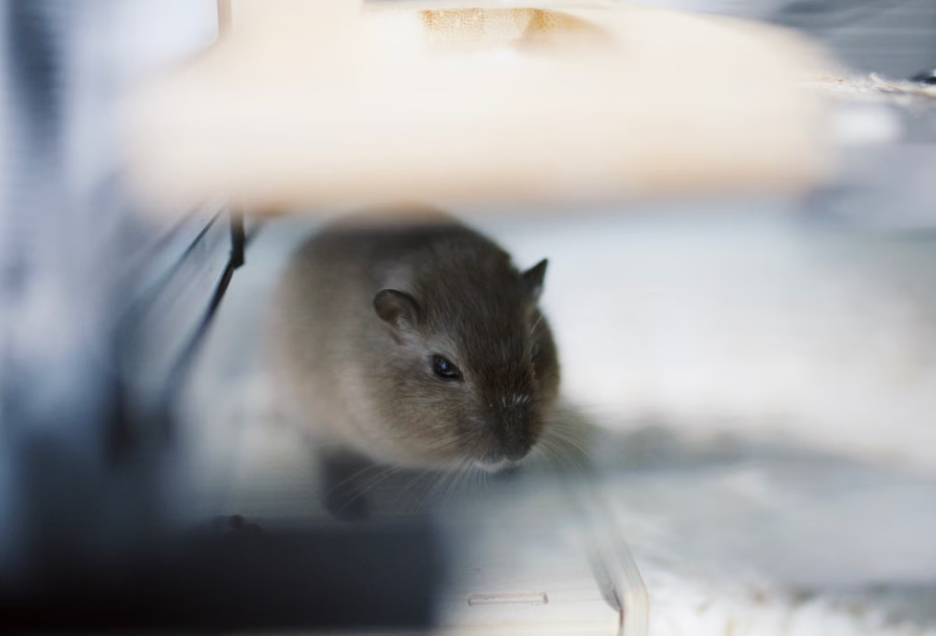
The rodents do not require a lot of space to enter. It does not take much more than a quarter-inch to squeeze through the gap, and rats are not long behind in discovering weak points.
The practice of exclusion work is concerned with physically sealing these openings. Technicians use materials that rodents cannot chew to seal cracks in the foundation, utility line gaps and poorly fitted doors or vents.
This is what makes the difference between short term relief and permanent security. It is no use killing the rodents already inside when inevitably the same points of entry are left open to the others.
Some of the most common trouble spots are loading docks, dryer vents, chimney gaps and the small holes that surround the pipes that enter the house. Addressing in these areas will decrease the likelihood of repetitive visit in the future.
3. With Targeted, Customized Treatment Plans
There are no two houses that handle rodents in a similar manner. A house with a damp basement has not the same risk as one with an older attic or open crawl space and treatment must be responsive to that.
Professionals create a blueprint based on the particular layout and history of the property. It may involve confinement in hot spots, isolation in sensitive regions or both based on the level of severity.
Non-specific solutions will probably miss these details. Rather, a tailored strategy is an intervention aimed at addressing the true root of the problem as opposed to the symptoms.
Some of the factors that define what is to be incorporated in the plan are the age of the house and the landscaping surrounding the house and the end result is a survivable one.
4. Using Ongoing Monitoring and Follow-Up Service

Rodent control doesn’t end once the initial treatment is complete. Population recovery may take a short time when there are new entry points or altering of the environment around the home, depending on the seasons.
The activity can be monitored over time, using follow up visits, and monitoring systems that spot new signs before they develop into another full-blown infestation. This constant focus is what makes small problems not to be re-problems.
Stability counts in this case. One visit may empty what is already there but it is the follow up that helps prevent a reoccurrence.
Several surveillance systems are currently electronically alerting to activities which enables problems to be identified before they get out of hand. This type of early warning system minimizes repeated high-scale treatments.
5. By Protecting Your Family’s Health and Property
There is more risk in rodents than most would think. Their stools and urine contain bacteria and allergens, and their gnashing destroys wiring, insulation and stored items all around a house.
Combating an infestation in appropriate manners limits the exposure to these health risks and eliminates the type of structural damage, which is costly to fix. Bitten Wiring, especially, can pose a fire risk when left too long.
The root cause of why rodent control is more than mere comfort. It has to do with insuring the individuals residing inside the house and the house itself against dangers that are accumulated over time.
Children and pets are usually more susceptible to such hazards and spend more time around the floor and corners where droppings are likely to accumulate.
Conclusion
Rodent problems do not in most cases go away, and the longer they do not get addressed the more harm they are likely to cause. In a process that goes as far as checking and locking out to treatment tailored to an individual and continuous monitoring, all the steps have their own purpose in ensuring the security of a home.
This process can be better understood to understand why quick fixes do not work as effectively. An environment remains rodent-free not due to a single treatment, but due to the regular care of the conditions that allow rodents to enter the environment initially. Being informed on what to watch and when it is time to seek the services of an expert will put the homeowners in a far better place in keeping their space safe.