How Digital Entertainment Is Changing the Way Americans Spend Their Leisure Time
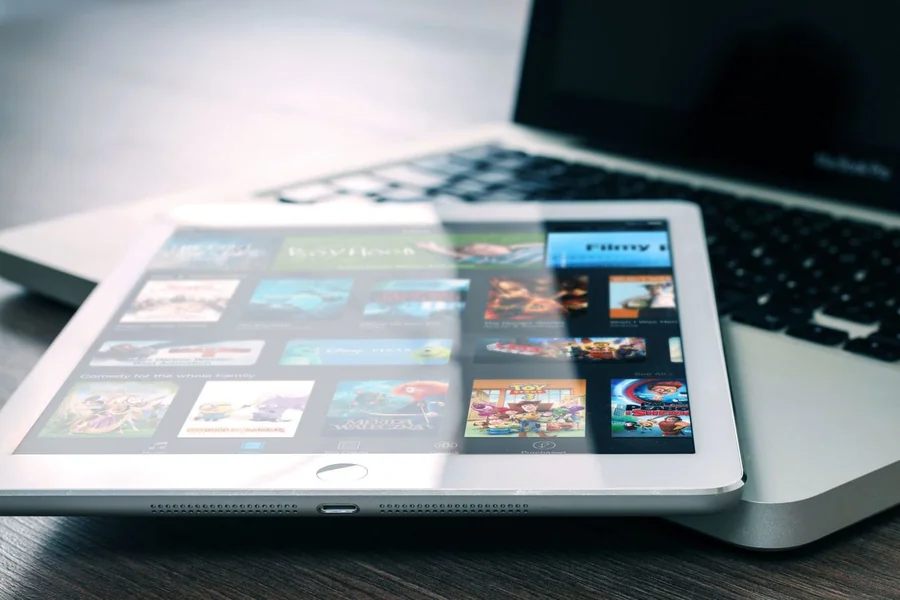
Time spent in leisure was associated with a location. Leaving the house to go to the movies involved going to the theater, going to a game meant that you would sit or stand around the television and to a game meant you would sit at the table or insert your game console. Now most of them can be done easily using a hand phone or a computer. Digital entertainment has transformed the way the American people have fun, when, where and how they have fun.
Entertainment that fits around the day
One of the biggest changes is simple: entertainment no longer has to fit into a particular schedule.
Streaming services let people watch an episode during a lunch break or finish a movie late at night. Podcasts can fill a commute, while mobile games can be played while waiting for an appointment. There is less need to plan an evening around a particular broadcast or make a trip somewhere to find something to do.
That pliability has been incorporated into it. People do not need to ask what is at a particular time because they are able to determine what they would like to do and locate it instantly.
This has furthered the boundary between various entertainment types. One may attend a live sports game, browse the social networks on a break, play a game after work and switch to a streaming platform before going to sleep. These activities are distinct, and they all, however, vie to get the same scarce resource, which is free time.
The rise of interactive entertainment
Passive entertainment is not the only type of digital entertainment. There are certain online experiences that require involvement of their users and not merely viewing.
One such clearly apparent example is gaming. Online communities have formed around individual titles, teams, creators and genres, and multiplayer games have provided friends a chance to be united in the virtual space. Livesatistics, commentary and fantasy leagues among other interactive options are also some of the features that enable sports fans to follow the games.
Online casino platforms are another part of this wider shift. In states where online gambling is legal and regulated, adults can access casino games without making a trip to a physical casino. Consumers researching regulated online casino options can learn more about BetRivers at MLive, including its current offer, casino games, mobile experience and other features.
Convenience doesn’t have to mean mindless consumption. Digital entertainment gives people more choice, making it important to decide what’s worth their time and attention.
More choice can mean more decisions
Having almost endless entertainment available sounds like an uncomplicated benefit. In practice, it can make choosing what to do surprisingly hard.
A free evening that once involved watching whatever happened to be on television can now involve streaming services, social platforms, games, live events and other options. The same convenience that makes entertainment easier to access can make it harder to switch off too.
A more deliberate approach can help. Before settling into another few hours online, people might consider:
- How much time do I actually have?
- Am I looking for something relaxing, social or stimulating?
- Does this activity fit the mood I’m in?
- Am I spending money, or is it simply taking up my time?
- Would I rather do something away from a screen?
These questions don’t require giving up digital entertainment. They simply put the choice back in the user’s hands.
The social side of digital leisure
It’s easy to assume that spending more leisure time online means becoming less social. That’s not really the case.
The internet has been able to provide new opportunities of how individuals spend time in groups, particularly when circumstances enable closer connections are difficult. Friends are able to see the same event, which is happening in varying cities, play games with each other after a working day or plan out a TV show in real time. These shared online experiences may offer friendship that fits suitably into the hectic schedule and cross-country friendships.
This is especially the case with sports. The game can be now surrounded with conversation, statistics, predictions and commentary. To most fans, attending the event is as important as being a part of the local community than the game being played on the field.
And people are not always on the look out to watch something. They sometimes desire something quite interactive. Something that they can react to or do with other individuals.
Finding a better balance
Conventions of leisure do not fade away. Americans continue to make friends, go to concerts, exercise, travel, read and spend time outside. It is just another alternative provided by digital entertainment.
It is important to understand when they can add free time and when they start absorbing. Having a gaming limit, putting the phone away at dinner or opting to go on a walk and not watch one more episode can result in a healthier balance without losing technology use.
A new definition of free time
Our leisure is now more malleable and instant than ever thanks to digital entertainment, though it has also eroded the edges of the opposite of our fun time. Having a wide variety of options, all Americans have a better reason to consider how they may use their free time, whether it is to relax, meet new people or just to take a break and not pollute with the everyday routine.