
How Seedance 2.5 Can Help Ecommerce Brands Plan Product Videos More Responsibly
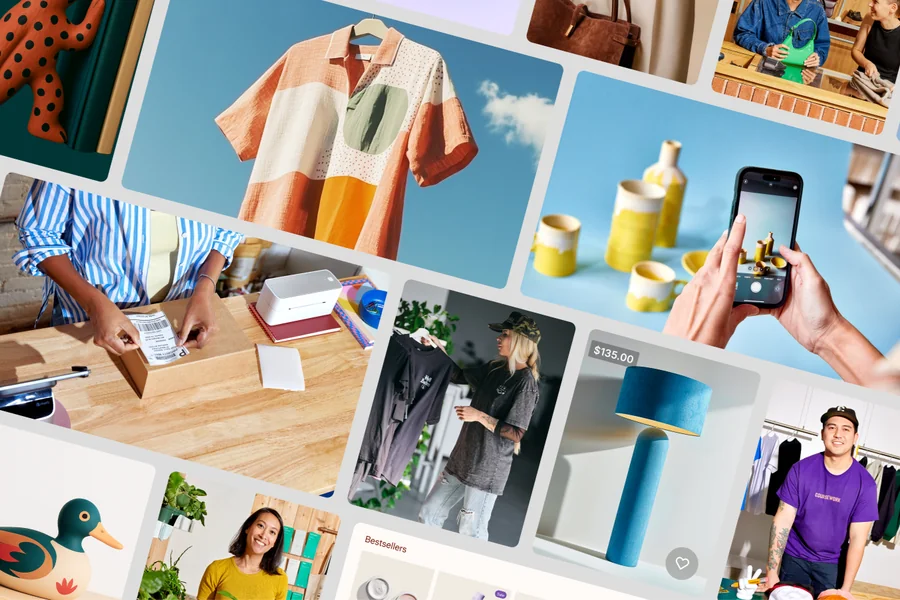
Video demonstrations of products are entering the mainstream of ecommerce, but the brands require precision, taste and restraint. Seedance 2.5 provides the teams with an opportunity to experiment with motiones previously without making AI drafts claim AI finish products. The issue of content is no different in fashion, beauty, home, and lifestyle brands: the product truth is still greatest in still images, and the feeling is greatest in video. A product photo may display color, cut, texture and detail. A snippet video may imply motion, atmosphere, season, and setting. The issue is that it is easy to run out of money on producing sufficient video to utilize in launches, emails, product pages, paid social and editorial content. One of the reasons why AI video tools are gaining momentum is that. They can be a useful tool to allow teams to discuss visual direction with a full shoot or edit. When not used carefully, they may lead to another issue: a shiny-clean clip that presents the product in a different light, invents information, or makes marketing claims that the brand has not proven. In the context of ecommerce teams, the stronger question is as to whether AI can make a video look attractive or not. Whether AI can assist a team to plan a better video without sacrificing product truth is the question.
Why Product Video Needs More Than Style
Product videos are not the only videos that online shoppers watch. They are looking for confidence. They desire to know the way a garment is moving, the position of a product in a room, the way a texture reflects light or how a collection feels on one another. When a video makes the item appear to be something different when it arrives on the door, the content has not worked regardless of the visual appeal of the clip. This is particularly significant when it comes to brands that take quality and responsible sourcing, slow fashion, or long-term customer loyalty seriously. Video drafts are a source of inspiration but the final product content must still be verified with actual photographs, approved copy, material details, color requirements, fit notes and any sustainability or sourcing assertions. The AI video is the most helpful at the beginning of the process. It is capable of assisting teams to make visual comparisons preceding their engagement to a campaign item.
Where Seedance 2.5 Fits for Ecommerce Teams
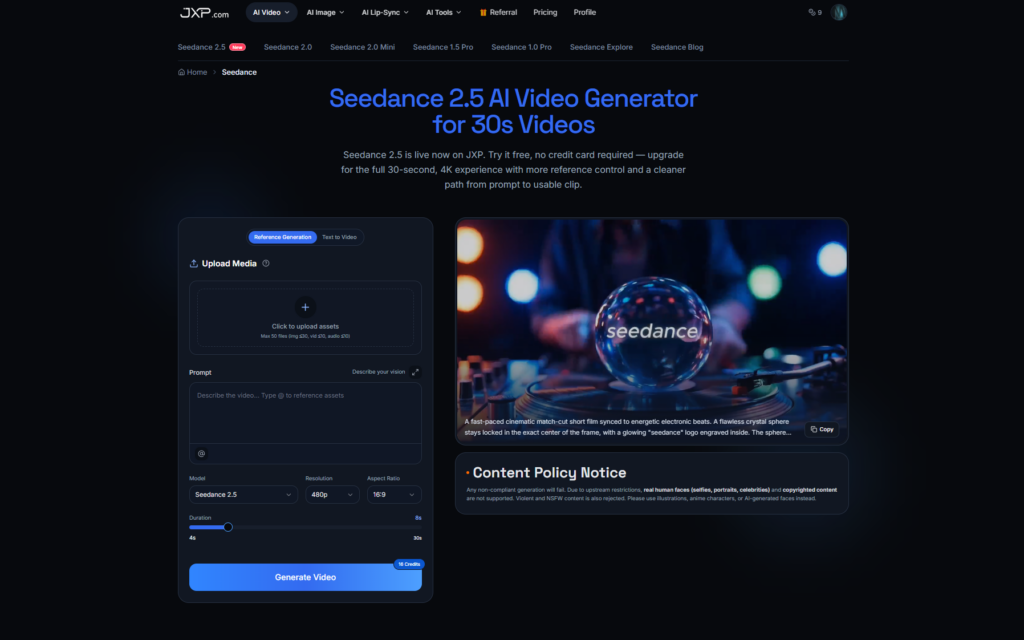
Seedance 2.5 is useful for teams that want more structure in AI video planning. It supports longer single clips, 4K output in supported workflows, up to 50 multimodal reference inputs, and targeted refinement. Those capabilities matter when a team is working from real product assets instead of a vague prompt.
An ecommerce team might start with product photos, lookbook images, approved packaging shots, color references, a short brand note, and a simple scene direction. The goal is not to ask the model to invent the product. The goal is to test how existing materials might translate into a short motion concept.
For example, a brand planning a seasonal capsule could draft several short visual directions: a minimal studio sequence, a soft lifestyle scene, a slow product-detail clip, or a social-first teaser. The team can then decide which direction feels most on-brand before producing the final asset with verified product information.
Start With Approved Product Assets
The best AI video brief starts with materials the brand is allowed to use. That means company-owned product images, licensed photography, approved brand graphics, cleared packaging files, and public-facing product information that has already passed internal review.
Teams should be careful with anything that includes real people, customer data, internal campaign files, unreleased products, third-party imagery, or copyrighted references. Even when an image is easy to find online, that does not mean it is safe to upload into an AI workflow or use in a commercial draft.
Fashion and lifestyle brands should be especially careful with faces, bodies, fit, and fabric behavior. AI-generated motion should not be used to imply how a real person looks in a garment unless the final content is based on approved human footage and reviewed by the brand. Similarly, texture, color, sizing, fiber content, durability, and sustainability claims should always come from verified product documentation.
What a Responsible Draft Can Show
A responsible AI video draft can still be valuable. It can show whether a product page needs a calmer opening. It can help an email team decide whether a collection story should begin with fabric detail or a wider lifestyle scene. It can give a social team several motion directions to compare before editing.
For ecommerce teams, practical draft uses include:
- Testing the order of scenes for a product launch video
- Comparing studio, lifestyle, and editorial visual directions
- Planning short clips for email, social media, and landing pages
- Turning a mood board into a motion concept for internal review
- Checking whether product imagery has enough visual variety for video
- Preparing a clearer brief for a designer, editor, or production partner
These uses keep the role of AI in the right place. The draft helps people think. It does not replace the final approval process.
Use AI to Reduce Guesswork, Not Accountability
One of the most useful parts of AI video drafting is that it can reveal weak ideas earlier. A campaign concept may sound good in a meeting but feel flat in motion. A product sequence may need more contrast. A lifestyle angle may look too generic. A social teaser may need a tighter first five seconds.
By testing these questions earlier, ecommerce teams can avoid spending time on directions that are unlikely to work. They can also give clearer feedback to photographers, editors, and designers.
This is where Seedance 2.5 ecommerce video drafts can support a more responsible workflow. The team still owns the brand judgment. The AI draft simply makes the idea easier to see, discuss, and improve.
What Teams Should Review Before Publishing
Teams are to ensure that they look at the basics before any AI assisted product video is released into the world. Is the product similar to the actual product? Are colors too near acceptable image? Does the draft invent buttons, stitching, labels, packaging, or material behavior? Have any people, places, logos or references been unsubstantiated? Is there a sustainability, performance, or fit assertion held by the video, about which the brand cannot substantiate itself?
These questions are important as ecommerce content is directly related to customer expectations. A video draft can serve to assist in creating a creative planning, yet published content of products must be accurate, licensed, and verified by the appropriate individuals.
That review step is not a weight to many teams. It is what makes AI video useful in the first place. In the case of a clear workflow, the tool does not drive a brand by creating more content at all costs. It assists the brand to decide on better before investing the production time.
Final Thoughts
Seedance 2.5 comes at the time when ecommerce brands should have more video, yet less recklessly made content. It is not a chance to substitute product photography, styling, editing or brand review. It is to visualize early creative planning.
In the case of trusted brands, it is easy to use most responsibly: begin with approved materials, draft a brief, and test a draft, look over it, and only then make a decision of what should be transformed into a final product video. Such a strategy helps to sustain AI and does not allow it to become superior to the facts that clients base their decisions on..







