
More Than Shelter: How a Strong Roof Shapes the Way Your Home Lives
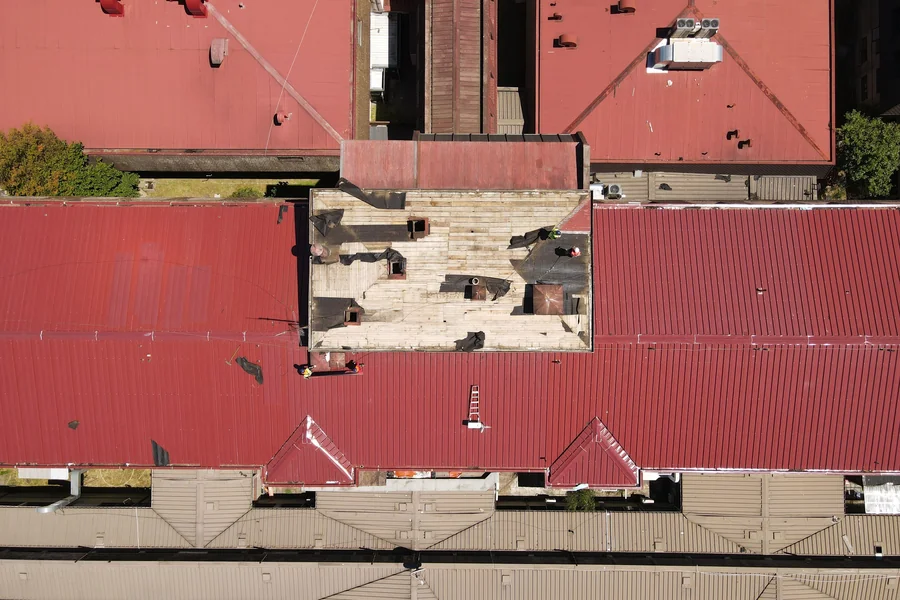
The majority of roof issues get into the debate via some other factor: a stain on a ceiling, a musty odor within the staircases, or a gutter that does not stop draining.
Independence, Missouri has about 42 inches of rainfall every year, heat in summer, thunderstorms and freezing winter temperatures that provide a roof with much to attend to. Listening to a leak before it comes seems not to be synonymous with worrying about each shingle. It is one thing knowing what defends the house, and another to know what changes are worth attention and what a closer look is best and have enough records to make a reasonable decision when there is a need to work.
Think Beyond the Shingles
When a person suggests to do roofing work, make him or her elaborate on it other than on the shingles. What is going on down below? Where do you think water is going to go? What is the job that no longer can be done?
The use of underlayment offers safety under the surface. Flashing guides water out of joints and holes. Gutters convey runoff along the edges. A good-looking shingle is no substitute to a poor connection next to it.
These facts tell why the most apparent damage does not necessarily begin there. This is because replacing stained ceiling material is a way of addressing the interior evidence; it does not address the gap that accepts water. The restorative must get to the source.
Let Local Conditions Guide Roofing Decisions
An Independence roofing company should be able to explain how weather exposure affects its recommendations for your house. Ask why a particular material suits the property, what needs attention after severe weather, and which maintenance tasks matter most.
Bring whatever history you have. A leak first noticed after a storm gives the inspector different information from one that has returned for several years. Neither proves the cause, but both are useful starting points.
There is no need to assume every storm has damaged the roof. Equally, a quick look from the driveway cannot settle every question. Let the findings determine the work rather than treating the weather alone as a reason to replace anything.
Give the Attic Some Attention Too
If an upstairs room is uncomfortable, it is reasonable to check the heating or cooling system. Just do not stop the investigation there.
Insulation slows heat transfer between the living space and the attic. Ventilation helps manage heat and moisture within the attic. They serve different purposes, and neither should be overlooked when the house feels harder to heat or cool.
Wet insulation, stained timber, and persistent condensation deserve investigation. New shingles will not necessarily resolve those problems.
Ask whether the proposed roofing work includes examining those underlying problems. Otherwise, you could pay for a new exterior surface while leaving the source of the discomfort untouched.
Choose Materials for the Life of the Roof
A sample makes choosing a color straightforward. Choosing what you want to maintain for years takes a longer conversation.
Asphalt shingles come in various styles and price ranges. Metal roofing brings different installation and maintenance considerations. Other materials may suit the architecture, but appearance is only part of the decision.
Compare different types of roofing materials with the same questions in mind: what will installation involve, what care will be needed, and what service life is reasonable to expect under the circumstances?
Then consider the look. You will see the roof every time you approach the house, so appearance deserves a place in the decision. It just should not make the decision alone.
Make Inspections Preventive Rather Than Reactive
You can notice plenty without climbing anything. From the ground, watch for displaced materials, sagging gutters, debris, and changes to the roofline. Leave areas that require climbing or close examination to someone equipped for the work.
After an inspection, keep the written report rather than filing away only the invoice. Photographs, descriptions of the fault, and details of the repair become useful when another problem appears.
Can that record answer a question memory often cannot: is this the same issue again, or something different? Repeated work in one spot may call for another look at the original diagnosis. Separate failures across the roof raise a different concern about its overall condition.
Know When Repair Is Enough
Finding damage does not mean every part of the roof has worn out. A localized repair may make sense when the surrounding materials remain sound.
Ask what the repair is expected to achieve. Will it stop the source of the leak? What condition is the neighboring material in? Are other sections likely to need attention soon? A clear explanation belongs with that estimate.
An older roof is not automatically beyond repair, just as a newer one is not automatically trouble-free. Age belongs beside installation quality, exposure, and repair history.
Compare the likely next few years, not just today’s estimates. Replacing serviceable roofing too early wastes useful life; repeatedly paying for short-lived patches has its own cost.
Remember What the Roof Is Protecting
The roof protects more than the rooms directly below it. Water that gets inside can affect insulation, finishes, furniture, and the structure of the house.
You do not need an elaborate maintenance routine to take that seriously. Notice changes, keep drainage clear, retain the paperwork, and get uncertain findings explained before approving work.
The aim is a roof you can rely on, not one you have to think about constantly. Giving the less visible details some attention is how you get there.







