Smart Financial Habits for a More Sustainable Lifestyle
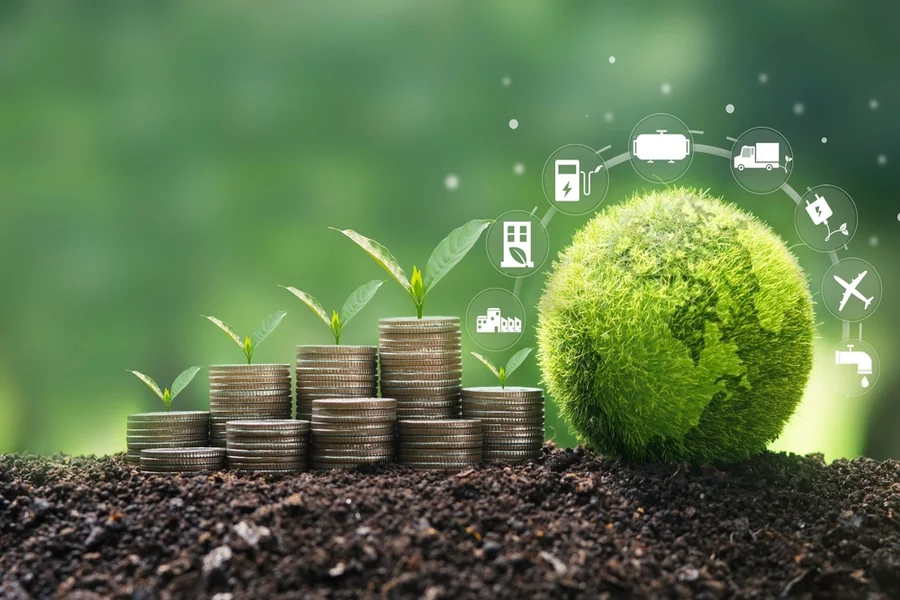
Most people associate sustainable living with big changes, such as installing solar panels, buying an electric car, or doing major home renovations. However, the most effective daily changes come from creating new ways of thinking and behaving about how you spend your money and use resources. Your financial health and the environment can go hand in hand, and simple changes can make a big difference to your bank balance and reduce your negative impact on the planet.
Lowering your spending and reducing your consumption will save you money and reduce the waste our planet produces. With smart planning, you can create sustainable lifestyles that don’t cost the earth.
Understand Where Your Money and Resources Go
Good, examine where your money goes. Collect bank statements, credit card statements, checkbook statements and analyze your use of money on a routine basis. Seek recurring costs as well as recurring expediency buys and membership to services you may not utilize frequently.
Use your head; also, ask yourself where your money is going. Big bills on the purchase of food which becomes a refuse in the kitchen? Old, inefficient appliances costing you high? Big online shopping is also associated with the volume of packaging waste, carbon dioxide of deliveries, and so on.
Although it can be impractical and unattractive to eliminate all unnecessary expenditures, it is important to identify items or services that offer benefit and those that merely drain finances and consume resources and generate waste.
Buy Less and Choose Products That Last
Rome was not constructed in a day but something that perishes easily would end up costing you more in the long term since you end up using them again and again until you find something cheaper. Initially inexpensive products may not always be the most economical option in the long run. After purchasing products, take into consideration their longevity and projected longevity.
Second, we should not read the low price of a product but we should look at how many times we can change the product within a short-duration of time, and the cost of changing the product will reflect. A product with a low cost and a short life cycle and is possible to repair is in most cases not complementary to a product with high cost that has a long warranty and is impossible to repair on breaking down.
The objects that we tend to purchase are unnecessarily so and can be rented or even borrowed. You can consider that equipment, tools, books, and even clothes which you need only at one special occasion. Rent, borrow or purchase second hand. It will cause little harm to your wallet or the environment.
Reduce Household Waste and Recurring Expenses
Even such slight alterations can save cash and minimize waste and consumption. The utilities can be saved through switching off lights, repairing water leaks, setting heating and cooling at minimum settings. Full loads of clothes can also be washed saving water as well as full loads of dishwasher can be run only on full loads.
Planned grocery shopping enables to avoid superfluous buying, minimizes waste, and encourages the use of a food during subsequent meals. As an example, packing lunches, or utilizing Leftovers in the next meal.
Before you throw something in the garbage, see if you can repair it. Hard work pays back by keeping your home equipment because you be able to prolong their life and upgrade them many years after they are indeed tired.
Strengthen Your Credit as Part of Long-Term Planning
Although keeping your credit in excellent condition does not necessarily lie within the realm of sustainable living, having good credit will help you afford much bigger, longer-lasting adjustments to your lifestyle like purchasing an energy-efficient car or making energy-efficient changes to your house.
Using a credit monitoring service can help you stay aware of changes to your credit profile and catch potential problems early. Over time, regular monitoring can also make it easier to see how your borrowing and payment habits influence your overall credit standing.
Conversely, you establish a good credit score through paying in time, maintaining low balances, and reviewing your credit report to ensure that there are no inaccuracies. With a healthy credit management you will be in a position to make all choices according to you own perception and will not end up into a mess where you will have to make decisions blindly and worry that you may have done something foolish.
Create a Savings Fund for Sustainable Upgrades
Some of the sustainable gains can lead to saving money over time but you must pay in the present. You can spare your sustainable development by depositing a little amount every month though, and that will soon accumulate.
Firstly, enumerate all your sustainable improvements which you want to implement. Compare and compute the costs, savings of each improvement. Lastly, prioritise them in descending terms of cost-effectiveness and begin with the cheapest ones.
Moreover, do not purchase new products to substitute those that are fully functional with the new, gainful version just because it is now available on the market as sustainable. Makes sense to use something to its full useful life than disposing of it to acquire another expense.
Make Transportation Choices Based on Total Cost
When calculating the true cost of transportation, also consider fuel, insurance, maintenance, parking, and even vehicle depreciation. Consider walking, cycling, using public transportation, or car-sharing or ride-sharing for short trips. What will work best for you and your situation?
For daily commutes, consider walking, biking, or public transportation for shorter trips. Car-share programs or occasional rideshare services can also meet occasional needs. To maximize miles per gallon for regular use, also combine errands and check tire pressure to achieve the best fuel efficiency possible for your vehicle.
When examining your options, consider how long you will need to maintain the transportation choice you pick. Can you realistically continue this mode of transportation?
Support Businesses That Reflect Your Priorities
When companies describe themselves as being sustainable, remember to go beyond marketing rhetoric. Find out the information about where a business bought a product, how it was manufactured, how it was packaged to enter the market and its duration to provide to ensure you obtain maximum out of it.
One more point to keep in mind is that the most local companies will be able to sell products with an ingredients packaging, or those, which are sourced locally. Therefore, they might not be cheaper than the name brand in the high-street but they are extremely economical and you can be confident you are giving a local business some of your money.
Instead of hopping one environmentally friendly product to another, it is usually more efficient to purchase less, high quality products of companies that specify their policies.
Review and Adjust Your Habits Over Time
As with your financial plans for increased income, your sustainable financial plan must also change as your income, needs and values develop. As time goes on, check your spending and resources to check whether your new habits are as you expect; e.g., are your utility bills, travel expenses, supermarket bills, and savings in fact increasing as you wanted?
Simply because you make a better choice in the long-term does not imply that it is better in the present. Continue to seek options and modify to a sustainable lifestyle until you discover one that best fits you.
Build a Lifestyle That Works for the Long Term
Financial situation and resource sustainability are two notions that are closely interconnected: both imply a careful usage of available resources. To be able to minimize the chances of losing your financial interests in the long run and to live a sustainable lifestyle, you ought to minimize your use of non- renewable resources, choose long-lasting product and manage your credit given to you by banks in a responsible manner. You will be able to design a fitting environment to yourself by saving, to add more features.
Introduce changes gradually, and keep track and modify the measures with each introduction. These easy measures in the long term can present factual cost cuts, reinforce your monetary stability and promote eco-friendly living.