Warmth That Lasts: Simple Ways to Keep Your Heating System Running Strong
One room’s freezing and the rest of the house is fine, so you nudge the thermostat up. Sometimes that fixes it. More often the other rooms get stuffy and the cold one stays exactly as cold as it was.
Little things like that are usually the first hint that something deserves a look. A new rattle, a vent that’s lost its push, cycles that run longer than they used to — none of it means the furnace is about to die on you. It’s just worth noticing.
And you don’t need to understand how any of it works. For most houses, decent maintenance comes down to three habits: notice changes, keep things clear, and book a technician before “minor” turns into “no heat on a Tuesday.”
Notice things before the heat quits
You already know what your system sounds like. You didn’t learn it on purpose — you picked it up over a few winters. How long it runs. The clunk when it kicks on. Which room warms up first, and which one never does.
That’s why changes stand out.
Maybe there’s a rattle at startup now. Maybe one vent’s airflow went soft. Maybe the thing is cycling on and off more than it used to. Maybe the back bedroom takes an hour to catch up when it used to take twenty minutes.
None of that is automatically a crisis. The question is just whether it’s different from normal.
If it is, jot down a couple of details. Does the noise only happen at startup, or the whole time it runs? One room or the whole house? Did it start the same week the temperature dropped fifteen degrees? A technician can do far more with that than with “it’s making a weird noise.”
Book service while you’re still comfortable
Maintenance is a much easier errand when the house is warm.
Wait until it quits on a freezing morning and you’ve got no room to move — no time to call around, compare options, or schedule the repair for a day that suits you. Pull up your service records before the cold sets in and you can deal with whatever turns up on your own schedule.
Professionals handle the parts you shouldn’t: electrical connections, controls, internal components, safety checks specific to your equipment.
If you’re choosing a heating company, two questions do most of the work. What’s actually included in a standard maintenance visit? And do your techs work on this kind of system regularly? Furnaces, boilers, and heat pumps aren’t interchangeable.
Ask about anything you don’t follow, too. You should come away from a service visit knowing more about your system than you did before, not just holding an invoice.
Let the air move
Forced air? Start with the filter. It’s the easiest thing on this list.
Filters catch dust — that’s the job. But the more they catch, the harder it is for air to get through, so the trick is swapping it before it’s packed solid. Check it now and then and you’ll know where you stand.
There’s no universal schedule. Filter type matters, how much the system runs matters, and what’s floating around your house matters. Two dogs and a cat and you’ll be changing it sooner than the box suggests. Go with what your system’s documentation says over a generic calendar.
While you’re at it, walk the rooms. A couch drifts in front of a return grille. A rug creeps over a floor vent. Curtains hang down across a baseboard. Nobody does this on purpose — it just happens over a year or two. Keeping vents and returns clear is about the lowest-effort habit there is.
Work with the thermostat, not against it
Cold room, so you crank it to 80. Understandable. It also doesn’t help — most systems don’t produce heat any faster because you asked for more of it.
Set the temperature you actually want, then give it time.
If your week runs on a predictable schedule, a programmable or smart thermostat earns its keep. Set it back overnight and while the house is empty, and stop fiddling with it twice a day.
Where it’s mounted matters more than people expect. A draft from a nearby door, an hour of afternoon sun, heat drifting off a lamp — any of it can skew what the thermostat thinks the room is doing. If the number on the wall keeps disagreeing with how the room feels, bring it up at the next service visit.
Sometimes the equipment isn’t the part with the problem.
Help the house keep the heat it’s got
A heating system has a rough time when the warmth keeps leaving.
Drafty doors, tired weatherstripping, gaps at the windows, thin attic insulation, ducts leaking into a crawlspace — all of it means longer run times, because the house can’t hold what the system makes.
Start where you can actually feel something. Draft at the door? Weatherstripping. Several rooms cold even though the vents are blowing fine? Now you’re looking at insulation or distribution, not the furnace.
This matters most when someone’s ready to blame the equipment for everything. A new furnace won’t fix bad ducts or an uninsulated attic. It’ll just heat a leaky house at a higher price.
Sometimes sealing things up means the system has less work to do in the first place.
Keep space around the equipment
Nobody decides to store things against the furnace. One box goes down there for a week, then a second, then the holiday decorations, and eventually there’s a narrow path and not much else.
Keep the area reasonably clear and respect whatever clearances the manufacturer specifies.
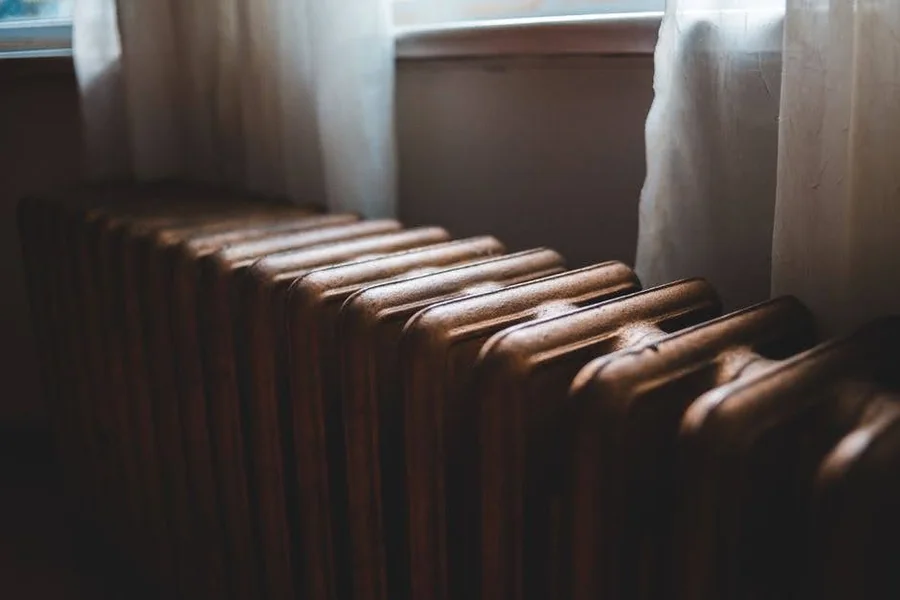
Same idea upstairs. A bookcase shoved against a radiator, a bed pushed over a baseboard — the heat still comes out, it just doesn’t get anywhere.
Outdoor heat-pump units need breathing room too. Leaves pile up in autumn, snow drifts against it in January, a shrub quietly gets bigger all summer. Check on it every so often, and leave anything mechanical to a professional.
None of this is clever. Together it just gives the equipment a fair shot.
Make it boring
Heating care works best as routine, not as a reaction.
Before the season: check filters and vents, look at the thermostat, find out when it was last serviced. During the season: stay tuned to noise, airflow, room temperatures, run times.
Put it on the same checklist as the gutters and the smoke alarms and it’ll survive from one year to the next.
Safety belongs on that list too. Anything that burns fuel means you need working carbon monoxide alarms — and you follow the alarm manufacturer’s instructions for testing, batteries, and replacing the unit itself, because those do expire.
Your own checks are for spotting changes. They’re not a substitute for a professional looking at electrical, combustion, or internal components.
Know when it’s had enough
Maintenance keeps equipment honest. It doesn’t make it immortal.
When repairs start stacking up, look at the pattern instead of each bill on its own.
Has it been reliable in between? Are the same comfort complaints coming back? Have running costs crept up? Are different parts failing, or the same one twice?
One repair on a system that’s otherwise been solid is usually just a repair. Repeated failures plus rooms that never feel right is a different conversation.
Age counts, but it isn’t the whole story. Reliability, safety, repair history, efficiency, and what it’ll realistically cost to keep the thing limping along all go into the pile.
And ask, plainly: what is this repair supposed to fix, and what’s still going to be wrong afterward?
Consistency beats heroics
Keeping a heating system in shape is rarely one big job. It’s a handful of small habits you repeat.
Check the filter. Keep the air moving. Notice new noises. Deal with the obvious leaks in the house. Book service when it’s due.
Mostly: don’t wait for the heat to disappear before you start paying attention. When something small shows up, you still have time to look into it, ask questions, and decide what to do. That beats making the same decisions at six in the morning in a cold house with a system that’s already quit.