
What Size Generator Works Best for Home Backup?
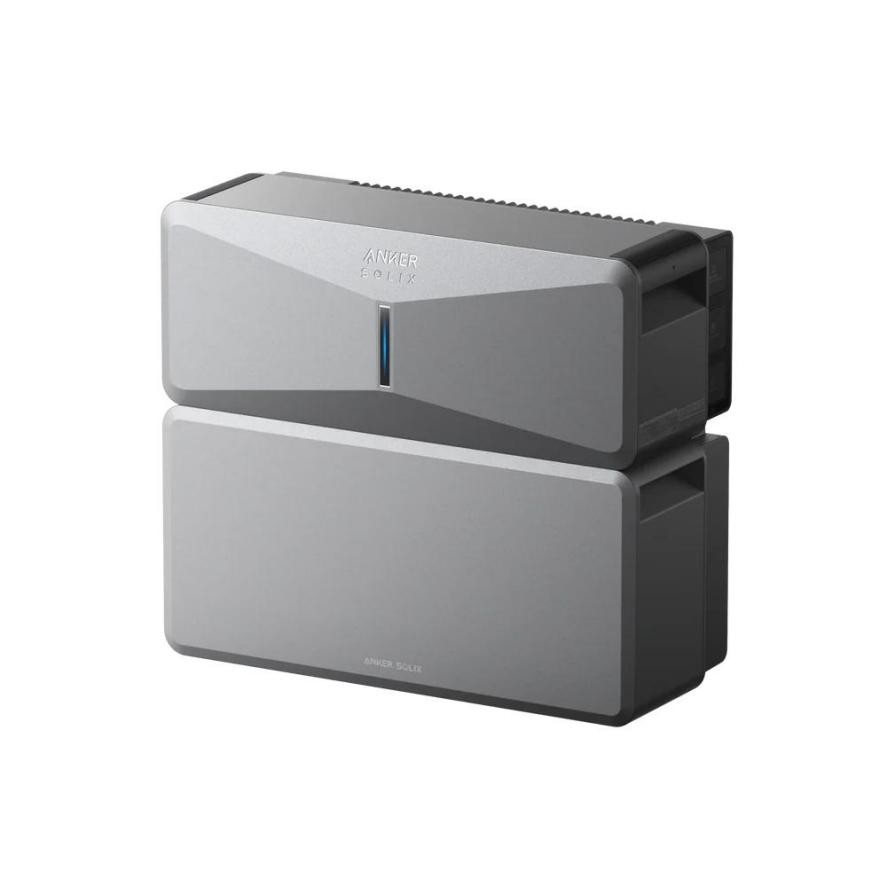
The correct home backup generator size is the one that will safely operate certain critical appliances, deal with electrical transient and also provide adequate run time for the outage you expect. For many homes, it is a refrigerator, lights, internet, sump pump, well pump, medical equipment, or heating and cooling equipment. The size of the backup needs will depend on the size of the home, with small needs being in the 1000 watt range, while larger homes or whole home coverage can require a significant amount of power. Making the right selection can avoid overloading, unnecessary shut down and excess cost on equipment that is too large. The easiest method is to: determine the total running wattage of all the equipment in your house, add the largest starting load, and match it up to a generator that has practical fuel, battery and connection options for your home.
How to Calculate the Generator Size Your Home Needs
Add Up the Running Watts of Essential Appliances
First, make a list of all the equipment that you want running during an outage, and record the running wattage for each appliance from the appliance label, manual, or manufacturers specifications. These are refrigerator, freezer, some LED lights, internet router, phone charger, microwave, furnace blower, sump pump and medical devices. Note the running watts for all items you think you’ll use at the same time, not all the electrical appliances in the house. For instance, a refrigerator may be 600 watts, a sump pump 1000 watts, lights 100 watts, router 15 watts, and a furnace blower 800 watts. The total running watts on that basic level are already over 2,500. This running load is the basis on which you’ll select how much power you’ll need for your backup needs.
Account for Starting Watts and Peak Power Demand
When an electrical appliance starts, it requires additional power for a few seconds. Refrigerators, freezers, pumps, air conditioners and furnace blowers use much more than their running wattage when they start up. The correct sizing is to add the sum of your running watts and then add the largest start-up surge that you may encounter when other essentials are running. If your running load is 2,500 watts and your sump pump requires 2,000 watts for starting, then it may take approximately 4,500 watts of output. Don’t run the generator at its peak all the time, or you’ll need a safety margin. This excess capacity also increases reliability, enables future growth and minimizes the risk of overloading the overload protection during outages.
What Generator Size Fits Different Home Backup Needs?
Powering Essentials During a Short Outage
If your goal is to keep food cold, charge devices, maintain internet access, run lights, and power a few critical appliances, a generator in the roughly 2,000- to 5,000-watt range often covers the job. This size can suit apartments, smaller homes, or households that rotate loads instead of running everything at once. Along with choosing the right capacity, understanding how to wire a generator to your home safely is important when planning to connect backup power to household circuits. A setup like this works well for brief outages where comfort matters, but full-home convenience is not necessary. You may be able to run a refrigerator, lights, router, television, and microwave, but not central air conditioning, an electric water heater, or other large loads simultaneously. For basic resilience, this category offers a practical balance of portability, lower fuel use, and easier storage between emergencies.
Supporting Larger Loads and Whole-Home Backup
When the electrical loads are large, a household has more than one generator, or a larger home, generator sizes typically range from 7,500 watts to 15,000 watts or greater, depending on the size of the application. This capability can also be used on well pumps, several refrigerators, larger HVAC units, kitchen circuits, laundry or any combination. Whole-home backup systems are generally rated based on the size of your service panel, the number and size of large 240-volt appliances and whether you would like to use central air, electric heat, or an electric range during a power loss. Here, it is crucial to carefully perform a load calculation, as larger systems are more expensive in purchase and use. The right size will allow you to easily fit priority circuits without overspending on circuits that are not used.
What Else Should You Check Before Choosing a Generator?
Runtime, Fuel or Battery Capacity, and Expandability
An electrical generator can be a good home backup power solution, even if it doesn’t have the capacity to handle all the appliances in the house. There should also be sufficient runtime to play through extended service outages or days-long service interruptions. To test its runtime with 25%, 50% and higher loads as advertised runtime may indicate lighter use. Fuel-powered models will involve fuel storage, fueling frequency, and the availability of gas, propane or natural gas in your area during an emergency. In battery-based systems, check battery capacity, charging rate, solar input capabilities and if expansion batteries can further increase stored energy in the future. Expandability is important when backups are needed to expand. A more flexible, slightly larger system will be more valuable in the long run than a system that is right on the money.
Transfer Equipment and Safe Home Connections
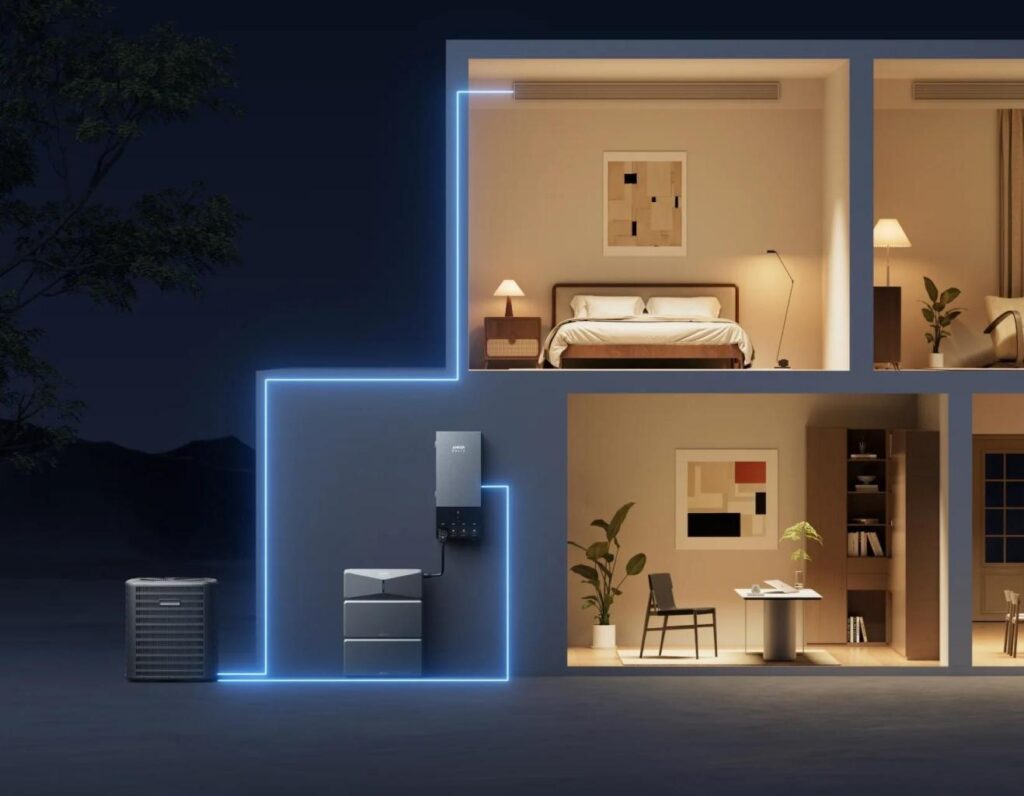
For safe backup in the home, more than adequate wattage is needed. There also must be a suitable method of wiring the generator into the home wiring. Portable generators should not be connected to a wall socket to provide power to a residence, as this can pose a fire and shock hazard and risk to electricity service personnel. In contrast, opt for transfer equipment in place by a qualified electrician, such as a manual transfer switch or interlock system (where allowed) or for dedicated backup systems use automatic transfer equipment. Verify the generator’s outlets, voltage and amperage will meet the needs of the home connection, particularly for 240-volt circuits. Also check the grounding instructions, cord ratings, outdoor considerations, and carbon monoxide safety features before you make a decision.
Conclusion
The correct size for a home backup generator is a generator that has sufficient running watts to support the loads you need, will absorb the highest startup surge, and will have enough run time for realistic outage conditions. Typically, a small, essentials-only setup can be accommodated in a 2,000 to 5,000 watt system, and a larger home or more extensive backup can require a bigger system, up to 7,500 watts or more. List the Appliances that MUST be run, sum the load of those appliances, then include the peak starting load plus a reasonable safety margin. Then, compare runtimes, fuel or battery approach, expandability and safe connection methods. For a specific answer, calculate the size of what you really need when the power goes out – not all the loads. That method provides you reliable backup power without the excessive expense on unneeded power for your residence.







