
Why Slow Living Is Becoming A Bigger Part Of The Modern Lifestyle
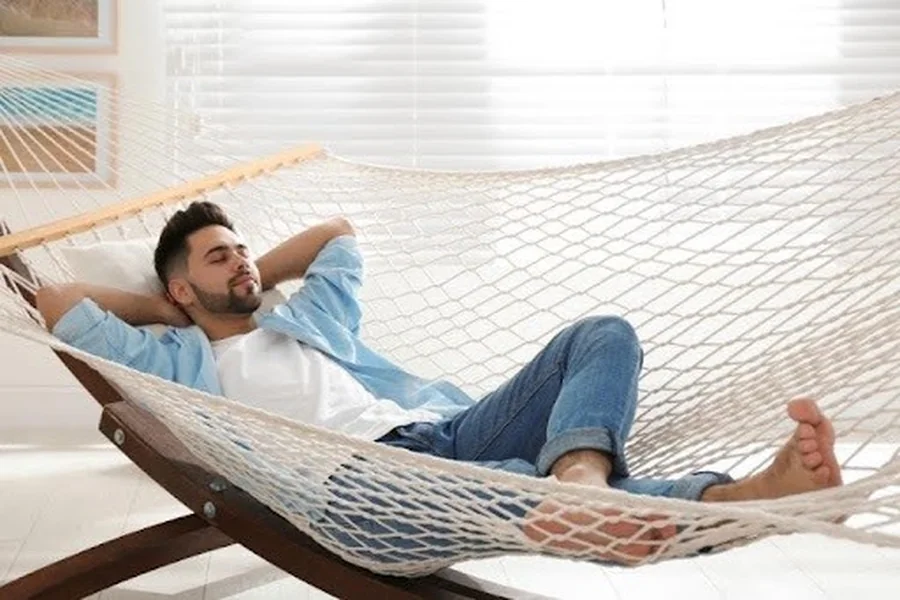
Speed is glorified in the modern world. Quicker deliveries, quicker communication and quicker productivity have been standard, where it would be easy to believe that a minute ought to be maximized. In as much as technology has definitely made life more comfortable, it has also created a culture which tends to equate being too busy with being successful.
That attitude is coming to pass. It appears more people are switching to slow living as a means to establish healthier habits, make more conscious decisions, and reevaluate what is truly important. Slow living does not mean giving up modern life entirely, but suggests slowing down the pace in a way that seems sustainable, balanced, and a life-fulfilling experience. The current discourse surrounding the movement illustrates that it is a way of integrating individual wellbeing and more considerate consumption and closer bonds with the community.
What Slow Living Really Means
The biggest myth about slow living is that it is doing everything in slow. But in real sense, it is only doing what is right at the correct time rather than working on autopilot in life.
This philosophy was born out of the Slow Food movement, which originated in Italy in the 1980s; where individuals rebelled against fast-food culture and stressed quality, tradition, and conscious living. Gradually, the same tenets extended to other fields such as fashion, travel, home, and its daily activities.
Rather than wondering how much you will be able to do in a day, slow living asks you whether your time will be able to tell you about what you consider to be important.
The Pushback Against Constant Busyness
Packed schedules had long been regarded as a source of pride. Individuals compared filled schedules with meetings, exercises, buying things, and socializing to becoming overwhelmed as a way of becoming productive.
However, a growing number are discovering that rushing comes along with some undercover expenses. When there is never a time to relax, high stress levels, inability to concentrate and out of touch with daily life may become the norm. Slow living is a third way that gives you room to relax without having to assure yourself to do that thing before doing it.
That is not a change toward being less ambitious. It is also about conserving energy to make work, relationships and creativity flourish in the long term.
Quality Is Replacing Quantity
The concept of having less, but more is what has gained a lot of popularity especially among individuals that favor sustainable living. A large number of consumers are not following fads and are buying well-crafted items they will wear over time.
Such an attitude is not limited to fashion. It translates into furniture, home decor, kitchen utensils, and even pastimes that promote making over buying all the time.
As a decision to make, quality can help minimize trash, and you will become more grateful at the same time. The decision to buy is postponed to the process and instead of being an impulse purchase, it is decision-making.
Home Is Becoming More Than A Place To Sleep
One reason slow living has gained momentum is that people are spending more time investing in their homes as places for comfort rather than simply somewhere to recover between busy days.
Simple rituals can completely change how a space feels. Making coffee without rushing, reading by a window, lighting a candle during dinner, or tending to houseplants can turn ordinary moments into meaningful ones.
Many people are also discovering satisfaction through hands-on activities like gardening, cooking from scratch, journaling, or creating DIY projects that encourage patience instead of instant results.
For those exploring gardening as part of a slower lifestyle, even specialty growing projects can become part of a mindful routine. Resources like those available from Liberty Seed Bank can inspire people who want to learn more about cultivating plants as a long-term hobby rather than chasing quick results.
Nature Is Playing A Bigger Role
One of the easiest ways that people can slow living is through spending time outdoors. Being surrounded by nature in the form of walking in a local park, on weekends hiking, or eating out food, nature naturally slows down.
Studies indicate that the greater time a person spends in nature, the more attached they will be to the surrounding world and this makes our sustainable habits less abstract.
Even spending time outside, even on little things, watering plants, watching birds, or sitting in the sunshine will give a much-needed break in screen time.
Digital Boundaries Matter More Than Ever
Digital speed and not physical speed is one of the greatest challenges facing slow living.
Social Media, emails, and notifications establish an environment where the attention is continually disrupted. Some individuals do not completely detach themselves and find it hard to have a restful state of mind.
Development of digital boundaries proves to be a feasible means to slow down. It may be switching off all types of notifications, no phones at the dinner table or establishing phone-free time at night.
These minimal steps will assist in the process of attention recovery, making daily life experiences feel more now, instead of always being separated.
Slow Living Supports Sustainable Choices
The fact that slow living goes hand in hand with sustainability is no accident. Once individuals get more conscious about their time they tend to be more conscious about consumption as well.
They do not replace things, but mend them instead. Not in a hasty manner do they make their purchases. They do not follow trends but invest in long-lasting investments.
It is not the outcome of the achievement but the outcome of progress. Bonap constitute small steps, but they must be taken continuously to ensure the decrease of waste and the creation of new habits that feel less challenging, with time.
It is also a style that promotes supporting the local business, seasonal shopping, and valuing quality craftsmanship, instead of convenience that could be disposed of.
Creativity Thrives When Life Slows Down
Creativity is seldom on demand when it comes to one-two-side commitments. It tends to appear when there are no very loud events going on in the mind, during times when the mind has time to roam free.
Unscheduled time in life makes reading, painting, gardening, cooking, writing or acquiring new skills easier. These passions are not mere time killers but they provide a chance to express oneself and develop.
Most individuals find out that speeding up reduces productivity. Rather, it allows them to put in more effort into what really counts.
Starting Small Makes The Biggest Difference
The most hopeful image of slow living is that one does not have to make a big change in his/her style of life.
Modifications so easy to implement can start a less busy lifestyle:
- Having a phone-free morning coffee.
- Using walking rather than driving where feasible.
- Preparing 1 homemade meal/week.
- Before going to sleep, reading rather than scrolling.
- Waiting 24 hours before making non-essential purchases.
- Taking time on a hobby that can help in patience.
An individual will routinely transform daily routines in these habits without overwhelming it.
A Lifestyle That Feels More Sustainable
Slow living is no longer merely a temporary trend since it is the reaction to modern-day problems many individuals go through daily: burnout, the lack of focus, the need to do more.
Going slow and opting to be detailed, purposeful, and allowing quality moments to occur are making people realize that being slower might be more satisfying. It does not have anything to do with evading the contemporary existence. It includes being much more conscious of the participation, making work, relationships, creativity, and personal well-being coexist in a manner that feels to be balanced and sustainable.







