Custom Brand Packaging That Follows Best Practices for Product Protection
A product has to be attractive not to be over-packaged. In the case of those brands that deliver the products to the customers, the packaging also plays a significant practical role: it helps to avoid the damages to the product during its storage, handling, and transportation.
Before a package reaches the customer, it might be relocated in warehouses, be in a pile with other packages, loaded into delivery trucks, and touched multiple times. Successful delivery of a high-quality product can lead to its being damaged even though the packaging of a product was not designed according to the real product requirements.
That is the reason why the initial aspects of effective packaging are protection followed by branding. Packaging is not only able to safeguard a product through considerate design, the correct materials and the proper size, it is also capable of developing a powerful brand experience.
Start With the Product, Not the Packaging
All the products have varying packaging needs.
The same protection will not be required of a glass bottle, electronic device, cosmetic product or delicate decorative object, which is only a lightweight purpose. The brands are supposed to evaluate the dimensions, weight, shape, fragility of the product and the prevailing circumstances that may be encountered during shipping before settling on a choice of box, bag or insert.
Such knowledge assists in deciding the package size, the material and in-house protection.
By beginning with the product, this particular error is avoided as well: picking a package and realizing that it does not work afterwards based only on its visual appeal.
Choose the Right Package Size
Product protection is directly proportional to package size.
When a box is much bigger than the commodity, then the good can shift about in transit. The movement can create the likelihood of bruises, dents, fractured parts, or any other damages.
Conversely, overly small packaging may overstrain the product and make it challenging to close it properly.
The package must be of a size that accommodates the products and any other protective elements but not offer too much space. Good measurements prior to production will thus make a considerable difference.
Select Materials Based on the Product
No one packing material can be utilized with all products.
Shipping is one common use of corrugated packaging due to its ability to offer the structural protection that is useful and be relatively light. The paperboard may be appropriate to present items in retail and those that are less weighty, inserts and cushions on the other hand may serve to boost support of items that are delicate.
The correct decision will be made based on the product to be shipped, the shipping conditions, how it is to be presented, budget, and the degree of protection needed.
Brands need to question whether the material can do its job during the life of the product instead of just picking up a material because it appears to be high-quality.
Don't Ignore Internal Protection
The protection system includes only the outside of a package.
Movement within the building may be among the largest sources of damage caused during transportation. When an item in its package is free to move around, hyphenates might be directly passed to the product and vibration as well.
Inserts, partitions, fitted compartments and appropriate cushioning can be used to keep the products in place. They come in handy particularly in cases where there are also numerous items in the package or where the item has fragile parts.
Nonetheless, larger amounts of material do not necessarily translate into increased protection. Every internal element ought to have a specific meaning.
Design for Real-World Shipping Conditions
A package never remains in one location when being delivered.
It can be subjected to vibration, compression, piling up, unintentional falls, and frequent interventions. Packaging should then be looked at with reference to the mode of transport as to how it will be actually transported.
In case of significant products, brands require trying out a physical sample prior to ordering a large production. There can be issues with dimensions, structural strength, closure, internal movement or simply usability that can be found in a sample.
It is a lot harder to notice such problems once thousands of packages have been manufactured than to detect them at the first instance.
Combine Protection With Brand Identity
Securing wrappings need not appear homely.
Brands can use logos, colors, typography, printed messaging, finishes and other visual elements in packaging without affect on the structural aspects required to protect.
This is among the key benefits of tailor made packaging. The brands can create packages around this product and their intended customer experience, instead of having to put a product into a standard format.
Creative, custom brand packaging can thus end up being a shield and a significant element of the brand name.
Think About the Customer's Unboxing Experience
The experience does not end when the customer has received his or her parcel.
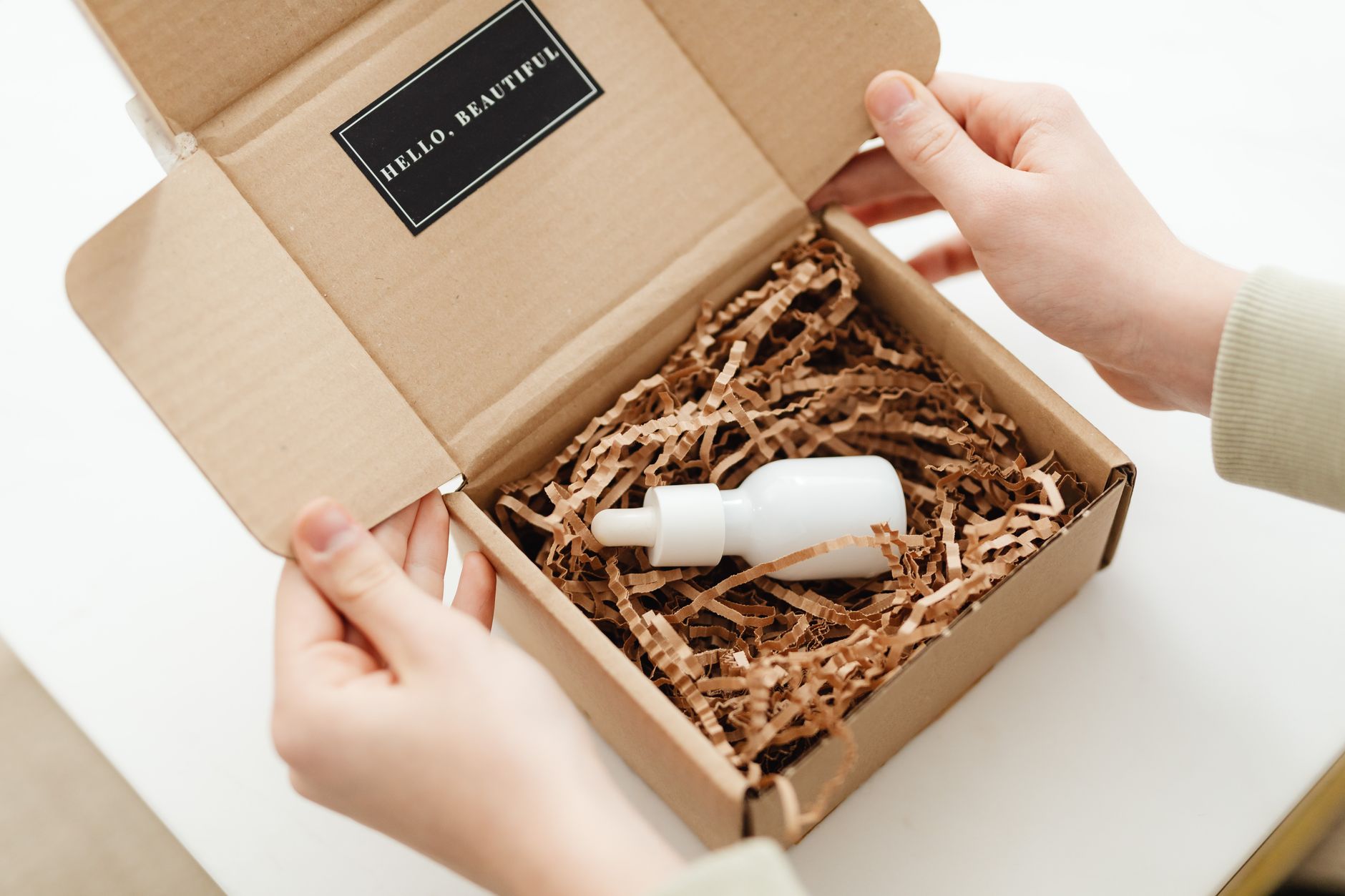
A package that is challenging to open, which has redundant layers or a package in which the customer has to go hunting to find the product can be frustrating. Conversely, a clean and tidy package could help the unboxing extra purposeful.
The most appropriate packaging will ensure that the product is accessible and at the same time offer the necessary level of protection.
It is especially crucial when it comes to e-commerce brands since the package is possibly the initial physical contact with the brand that a customer makes after shopping online with a brand.
Consider Sustainability Without Sacrificing Protection
It is significant to reduce wastage of packaging, however, elimination of material without taking into account protection will spark another issue.
A defective product can be subjected to replacement, re-shipment or refund. That might lead to further use of materials and transportation.
The more optimal way to go would be to cut out unnecessary parts, ensure that a package is well-dimensioned, choose materials that offer the necessary protection without being too wasteful.
Where suitable, brands can also take into consideration recyclable or responsibly sourced materials.
It must aim at providing efficient packaging as opposed to using the least amount of material.
Keep the Final Specifications Clear
Before production begins, all important packaging details should be documented.
These can include:
- Product dimensions
- Package dimensions
- Material
- Printing requirements
- Finish
- Internal inserts
- Quantity
- Delivery requirements
- Artwork version
Having these specifications in a single approved document minimizes the possibility of misinterpretation among the brand, designer and supplier.
It also simplifies the reorder one does in the future since approved packaging specifications are already recorded.
Choose a Supplier That Understands Both Design and Protection
A packaging supplier will be significant in transforming an idea to a practical finished product.
A supplier should be able to assist the process of the specifications and customization through sampling, production, and delivery; this is what a brand should take into consideration.
For example, Packfancy offers custom packaging solutions for brands that want packaging designed around their products and branding. Exploring the available options can help businesses determine which packaging format, material, and customization approach best fits their needs.
A supplier that understands both presentation and practical protection can make the entire packaging process easier to manage.
A Simple Product Protection Checklist
Before approving a packaging design, brands should ask:
- Does the package fit the product correctly?
- Can the product move excessively inside?
- Is the material suitable for the product's weight and fragility?
- Are internal inserts or cushioning necessary?
- Can the package handle normal shipping and handling?
- Is it easy for customers to open?
- Does the branding remain clear and professional?
- Is unnecessary packaging material being avoided?
- Has a physical sample been reviewed when appropriate?
- Are the final specifications documented for future orders?
Answering these questions before production can help identify weaknesses while there is still time to make adjustments.
Conclusion
Good packaging is not merely the simple act of making it look good. It is more on developing an environment where the product would be safeguarded in the delivery process and when the package reaches customer it will offer them a good experience.
The correct size, materials to be used, internal protection, process of testing and branding can all collaborate to that end.
When the brands allocate investments to tailored packaging, protection, and presentation tend to be most successful when they are represented in a design. When considering the packaging in terms of the actual needs of the product, it can help to minimize unnecessary losses, enhance the customer experience, and reflect the brand in a uniform and professional manner.