What the DUI Investigation May Leave Unanswered
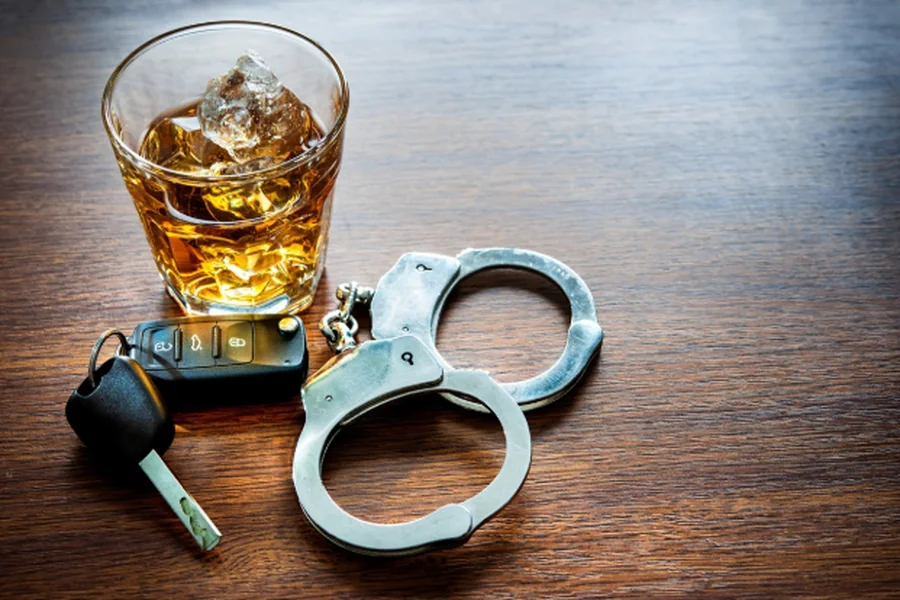
An accusation of a DUI can start with a traffic stop, but then escalate into one that includes field observations, chemical testing, police reports, and questions about the procedures that were followed and adhered to. Often the prosecution’s case is strengthened by a lot more than the ultimate test result. Attorneys frequently must review the start of the investigation, the process of the officers, how the evidence was gathered and whether the facts as they come to light are consistent with the charge.
A DUI Attorney can look at each step of the investigation individually, allowing them to start assessing the case prior to trial. The early review may uncover weaknesses, evidentiary problems or procedural issues that could impact the way the defense proceeds. The defense does not have to take the prosecution’s word for it that a DUI charge equals driving under the influence, but can determine if there is evidence to support every component of the prosecutor’s theory.
Reviewing the Traffic Stop and Initial Investigation
An important beginning can be from the circumstances that lead to the traffic stop. Attorneys can inspect the police report, footage, observation, and other records to ascertain the reasons for the vehicle’s stop and what comes after.
Questions may include:
- What was the reason for the officer to stop the car?
- Was a reason for the stop noted?
- When the officer approached the vehicle, what did he/she observe?
- Did the driver make statements?
- Did the officers ask the driver to perform any field sobriety tests?
- At what time did the investigation go from a traffic case to a suspected DUI investigation?
The time frame of observation is important as a different observation at different points may not be the same. Sometimes nervousness, fatigue, illness, use of medication or just confusion can be mistaken as signs of impairment. Instead of having a generalized description of the circumstances on the report, a defense attorney might want to review the situations of each observation. Video from a dash or body camera can also be important as it could offer a different perspective of the interactions.
Analyzing Chemical Testing and Collection Procedures
Chemical testing can be the pivotal part of a DUI case. Evidence can be from a breath test, blood sample or other test. Attorneys don’t just have to consider the reported number—the entire chain of events that led up to the test. This can include an examination of:
- Type of test given.
- The hour in which the test is given.
- If required procedures were followed.
- Log of equipment and maintenance data.
- Blood sampling and collection (if applicable).
- Laboratory documentation.
- Sample preservation, sample transfer.
- Whether the reported outcome is congruent with the other evidence.
Time may have an impact as well since a chemical test collected after stopping the vehicle is not necessarily reflective of what the driver was doing at the moment of driving. The defense can then review the timeline of the stop, arrest, testing and alleged impairment.
Attorneys may also review the collection, storage, transfer and analysis of the blood specimen in the case of blood evidence. The prosecution may be very dependent on lab evidence and the stages may come into effect.
Identifying Procedural and Constitutional Issues
Additionally, the early DUI evaluation may take into consideration whether or not law enforcement followed the appropriate legal procedures. Depending on the facts of the case, the circumstances of the stop, detention, questioning, search, arrest and collection of evidence may be relevant.
Attorneys can question if:
- There was an adequate legal basis for the first traffic stop.
- The investigation developed in a suitable manner in the given situation.
- Statements obtained as required.
- Searches and seizures were conducted in compliance with the law.
- Appropriate testing was carried out.
- Documentation and preservation of evidence were good.
If there is a major legal matter, the defense might want to determine if specific evidence can be attacked. The nature of the legal response will vary based upon the facts of the case, the relevant law and the procedural history.
Frequently Asked Questions
Can a DUI be considered prior to the results of the chemical test?
Yes. Attorneys are free to review evidence from the traffic stop, officer observations, field sobriety exercises, recordings, statements and other evidence gathered at the stop before receiving more testing data.
Why is it essential to have dash camera footage in a DUI case?
Video might be used to document the traffic stop and investigation. It may enable the defense to compare with descriptions in police reports of what actually happened.
Are physical conditions a factor with field sobriety exercises?
Potentially. Other physical factors such as injuries, balance issues or footwear, may impact performance and are relevant to reviewing the significance of the results.
Why is it important for a DUI case to be looked at early?
Review in the early stages can assist in finding evidence that must be safeguarded, in establishing the facts in dispute and in establishing if there are legal and factual issues that need to be addressed. It can also give the defense the opportunity to make key procedural choices in advance of the issues that will be resolved.
Conclusion
A chemical test result or the police report is not enough to make an early evaluation of a DUI case. The details of the traffic stop, what officers saw, how they tested for impairment, the chemical tests, the recording of the traffic stop, witness information, and investigative procedures can all bolster the prosecution’s case.
A New Jersey Criminal Defense Lawyer can help those who are charged with driving under the influence to thoroughly discuss these matters before they make significant decisions regarding the case. A comprehensive initial investigation may be used to distinguish between credible evidence and questionable observations, and recognize legal or factual issues which could impact the defense in the future.