How AI Image Generators Are Changing the Way We Create Digital Content
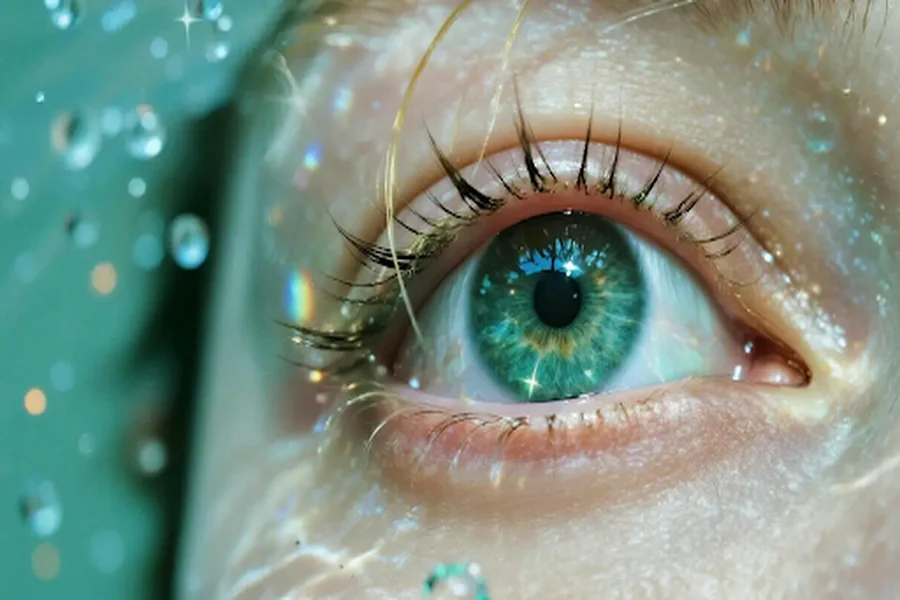
Visual content has become an essential part of modern communication. From social media posts and website banners to product presentations and digital advertisements, attractive images help businesses capture attention and communicate their ideas effectively. However, creating professional visuals often requires design experience, expensive software, and considerable time. An ai image generator offers a convenient alternative by transforming written descriptions into original images, allowing individuals and businesses to bring their creative ideas to life without needing advanced graphic design skills.
As digital platforms continue to grow, the demand for unique and engaging visuals is increasing. Content creators, marketers, bloggers, and small business owners are constantly looking for easier ways to produce images that match their content and brand identity. AI-powered technology is making this process more accessible by reducing the technical barriers associated with traditional image creation.
What Is an AI Image Generator?
An AI image generator is a digital tool that uses artificial intelligence to create images based on user instructions. Instead of drawing an illustration manually or searching through thousands of stock photographs, users can describe the image they want and let the technology produce a visual interpretation.
For example, someone might enter a description of a modern living room with large windows, natural lighting, wooden furniture, and indoor plants. The system analyzes the description and generates an image that reflects those details.
These tools can produce different types of visuals, including realistic photographs, digital artwork, illustrations, product concepts, landscapes, and imaginative scenes. The final result depends on the technology, prompt quality, and available customization options.
How Does AI Image Generation Work?
AI image generation relies on machine learning models trained to recognize relationships between language and visual elements. During training, these models learn patterns involving objects, colors, shapes, textures, lighting, and artistic styles.
When someone enters a prompt, the system processes the words and converts the description into information that guides the image-generation process.
Many modern systems use diffusion-based methods. These models gradually transform random noise into an image by refining visual details over multiple steps. Other architectures can use different generation techniques, but the overall objective is similar: produce a visual result that corresponds to the user’s instructions.
The process generally involves three stages:
- Understanding the Prompt: The AI interprets the written description and identifies important elements, such as the subject, background, colors, and desired style.
- Generating the Image: The model uses the information from the prompt to create a visual composition that matches the requested concept.
- Refining the Result: Users can adjust their descriptions, experiment with different styles, and generate additional variations until they find an image that meets their expectations.
This approach makes visual experimentation faster and more convenient than starting every design project from scratch.
What Are the Main Features of AI Image Generators?
Modern image-generation platforms offer several useful capabilities that support different creative requirements.
Text-to-Image Creation
This feature allows users to generate visuals simply by describing their ideas. It is particularly helpful when someone has a specific concept but lacks the skills or resources to create it manually.
Multiple Artistic Styles
Users can explore different visual approaches, including realistic photography, watercolor illustrations, digital paintings, cartoon designs, and cinematic artwork. This flexibility makes it easier to produce images for different audiences and platforms.
Creative Experimentation
AI-generated images provide an opportunity to test multiple concepts before selecting a final design. Users can experiment with different backgrounds, compositions, colors, and visual themes without repeating an entire manual design process.
Time-Saving Workflow
Traditional graphic design can involve several stages, from brainstorming and sketching to editing and final adjustments. AI tools can simplify the initial creation process, helping users develop visual ideas more efficiently.
Flexible Creative Applications
Generated visuals can support a wide range of projects, including marketing campaigns, blog illustrations, educational materials, product concepts, and social media content.
Who Should Use AI Image Generators?
AI image generation is useful for people with different creative and professional backgrounds. Its accessibility makes it particularly valuable for individuals who regularly need visual content.
Content Creators and Bloggers
Bloggers need relevant images to make their articles more attractive and easier to understand. Custom visuals can help illustrate complex topics, support storytelling, and create a more engaging reading experience.
Small Business Owners
Businesses often need promotional graphics, product concepts, and advertising visuals. AI-generated images can help small teams explore creative ideas without depending entirely on external designers.
Social Media Managers
Social media platforms are highly visual environments. Managers can use generated artwork to develop campaign concepts, create themed posts, and maintain a consistent visual direction.
Graphic Designers
Professional designers can use AI tools during brainstorming and concept development. Generated images can serve as references, inspiration, or starting points for more detailed creative projects.
Students and Educators
Educational visuals can make complicated subjects easier to explain. Students and teachers can experiment with illustrations, diagrams, and creative representations to support learning activities.
How to Write Better Prompts for Image Generation
The quality of an AI-generated image often depends on how clearly the user describes the desired result. A vague instruction may produce something interesting but different from the original idea.
A few practical techniques can improve the outcome.
Describe the Main Subject: Begin with the most important object, person, or scene. For example, instead of writing “a beautiful landscape,” describe “a peaceful mountain lake surrounded by green pine trees.”
Include Lighting and Colors: Mention whether you want soft natural lighting, dramatic shadows, warm colors, or a cool atmosphere. These details help establish the visual mood.
Choose an Artistic Style: Specify whether the image should look like professional photography, a watercolor painting, a 3D illustration, or a minimalist digital design.
Explain the Composition: Include details about the camera angle, background, object placement, and surrounding environment.
Experiment With Variations: If the first result does not match your expectations, adjust the prompt rather than abandoning the concept. Small changes in wording can lead to noticeably different results.
Why Are AI Image Generators Becoming Popular?
One important reason behind their popularity is accessibility. People who previously needed specialized software and design knowledge can now experiment with visual creation using ordinary written instructions.
Another advantage is creative flexibility. A single concept can be explored through several different styles and compositions, making it easier to compare ideas before deciding on a final direction.
These tools can also support productivity. Businesses and independent creators often work with limited budgets and tight deadlines. Simplifying the image-creation process gives them more time to focus on planning, communication, and other important responsibilities.
For anyone interested in exploring new visual possibilities, use Dreamina to discover creative image-generation opportunities and turn written ideas into engaging digital artwork.
What Should You Consider Before Using AI-Generated Images?
Although AI image generation offers many advantages, users should understand its limitations.
Generated images do not always reproduce every requested detail accurately. Small objects, complex backgrounds, human anatomy, and written text can sometimes contain noticeable mistakes. Reviewing the final image is therefore important.
Copyright and licensing are also worth considering, particularly when images will be used commercially. Users should review the applicable platform terms and make sure their intended use is permitted.
Additionally, generated content should be checked for misleading details, inappropriate elements, and inconsistencies. Human judgment remains an important part of producing professional visual material.
Frequently Asked Questions
- Can beginners use AI image generators?
Yes. Most tools are designed with accessible interfaces that allow beginners to create images using simple written descriptions. Advanced graphic design experience is generally unnecessary.
- Can AI generate realistic photographs?
Yes. Modern image-generation systems can produce highly realistic scenes, portraits, objects, and environments. However, the quality and accuracy depend on the model and the instructions provided.
- Are AI-generated images suitable for business use?
They can be useful for marketing materials, website graphics, advertisements, and product concepts. However, users should review the relevant licensing terms before using generated images commercially.
- How can I improve the quality of generated images?
Use detailed prompts that explain the subject, setting, lighting, colors, composition, and artistic style. Experimenting with different descriptions can also help produce better results.
- Do I need graphic design experience to create AI images?
No. AI image-generation tools allow users to create visuals through natural language instructions. Basic knowledge of composition and visual styles can help, but professional design experience is not essential.
Final Thoughts
AI image generation is changing how individuals and businesses approach digital creativity. By making visual creation more accessible, these tools help people explore ideas, develop original artwork, and produce engaging content with less effort.
Whether someone is creating blog illustrations, social media graphics, marketing concepts, or personal artwork, AI-powered technology provides a practical way to experiment with visual storytelling. As these tools continue to develop, they are likely to become an increasingly valuable part of everyday creative workflows.