A Slower Search for Your Family Roots Can Leave More Worth Keeping
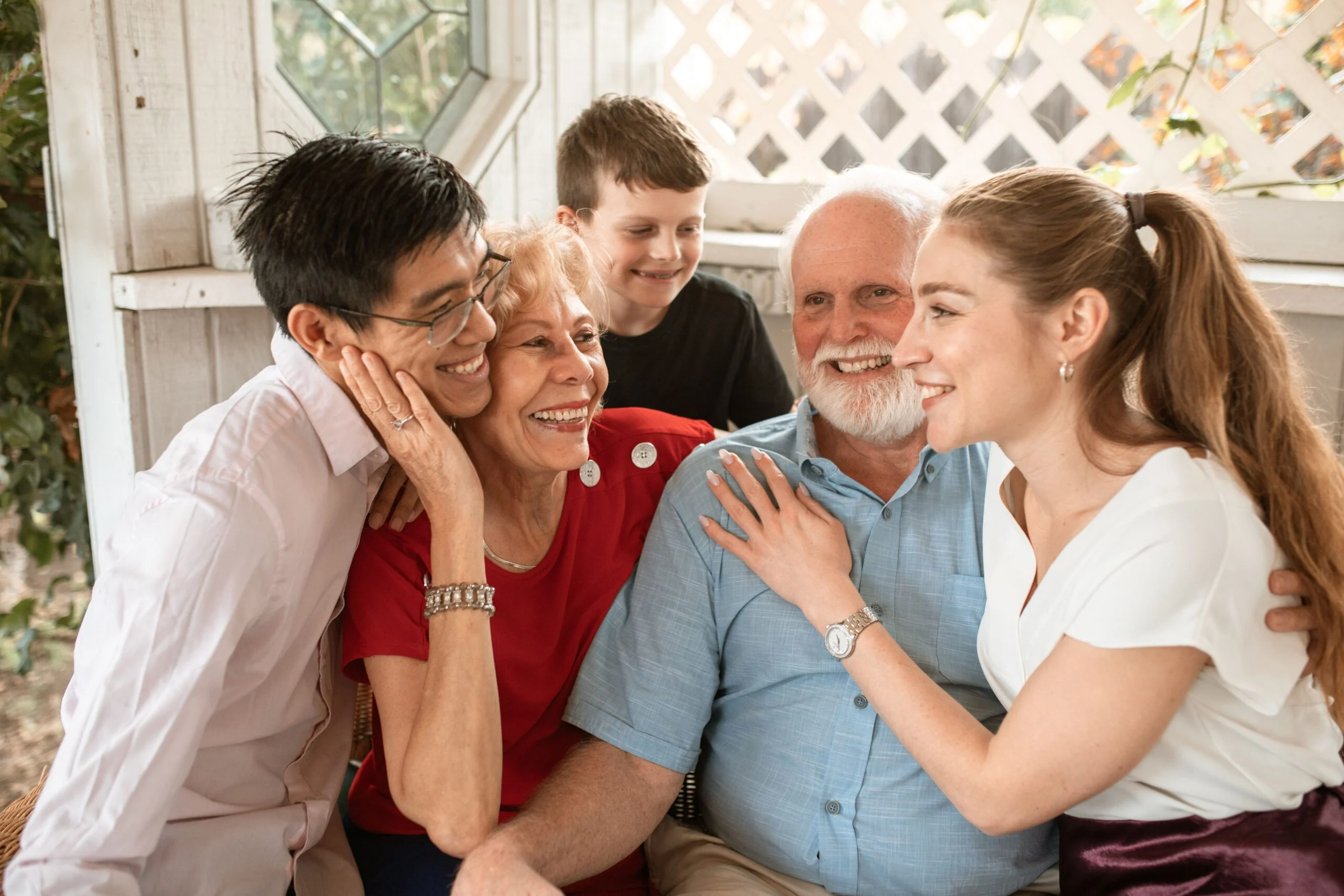
Tracing family roots involves choices about what to gather, what to trust, and what to preserve. A thoughtful approach can limit unnecessary purchases and repeated work while keeping useful evidence safe. Here, sustainable heritage exploration means looking after the family story, the resources behind the research, and the people whose information it contains.
The search feels different when collecting is no longer the goal
We can spend an evening saving record and still struggle to say what we learned. The search feels busy: another possible relative, another town, another file waiting to be read. Yet the detail that matters may already be among our notes. It needs a closer look rather than another download. That is where a slower approach to family history earns its place. We give ourselves time to understand a source, connect it to a person, and decide what deserves keeping. Our collection grows with a purpose instead of becoming another household project that feels permanently unfinished.
Sustainable heritage research brings that care into the choices around the search. We can use existing equipment, borrow resources, and avoid printing material we have no reason to keep on paper. We can also consider whether genetic research, including MyHeritage DNA, serves a question we genuinely want to explore. An ancestry estimate can offer a lead, but its meaning depends on how we read it alongside records and family knowledge. More information is not always more understanding. Our task is to preserve enough evidence to explain the story while recognizing the resources and people involved. A thoughtful project can include useful digital copies, carefully kept originals, and private details shared only with permission. It can also leave gaps where the evidence stops. We do not need a perfect collection to make a worthwhile start. We need habits that help us return to the work with interest and leave something another person can understand clearly.
A useful research session starts before the search box opens
A short review of existing notes can change what you need from a new search. Identify the uncertainty that matters to your account, then consider which record could address it. A birthplace needs different evidence from a family recipe’s history. Giving the session a purpose helps you judge a promising result instead of saving everything with a familiar name.
Before opening another collection, write down:
- The person or family connection being investigated.
- The place and date range supported by current evidence.
- The detail a new source might establish.
- Searches already completed, including unsuccessful ones.
Online access is extensive, but its limits matter. The National Archives listed 532,047,895 digitized catalog pages as of August 24, 2026. It also reported 13.5 billion pieces of paper in its permanent holdings. These different units cannot establish a simple percentage of material available online. They show both the reach of digital access and the physical collections behind it.
Read collection descriptions before treating a missing result as a missing record. Check the years, locations, and document types covered. A library may provide access you can use before buying another subscription, though its available services need checking. Save source details with useful records, and inspect images where possible rather than relying entirely on searchable text. This leaves you with more than a download: you have a reason for keeping it and a way to find the evidence again. It also makes it easier to stop when a session has answered what you set out to examine.
Digital convenience still depends on equipment and electricity
Research from home can avoid some journeys and paper copies. It can also make collecting feel almost weightless. The desk stays clear even as folders grow. Behind that convenience are devices, networks, and systems that store and deliver information. Recognizing this does not require calculating a personal footprint for each record.
A December 2024 announcement from the U.S. Department of Energy reported that data centers used about 4.4% of U.S. electricity in 2023. Their annual electricity use rose from 58 billion kilowatt-hours in 2014 to 176 billion in 2023. Those figures describe the national data center sector, not genealogy services alone. They cannot tell you the emissions caused by your own search, download, or saved family photograph.
The more practical choices are closer to hand:
- Continue using equipment that meets your needs.
- Borrow tools for occasional jobs when feasible.
- Print when a paper copy has a clear use.
- Confirm relevant holdings and access before arranging research travel.
Your phone may produce a readable working image of a family paper. Check the whole document, including its back and edges, before deciding you need specialist equipment. A new scanner can be useful for sustained work, but buying one does not make a project sustainable by itself. The same care applies to file cleanup: removing accidental duplicates improves organization, but does not justify a precise carbon-saving claim. Keep essential evidence and backups safe while making choices you can reasonably assess.
A heritage map earns its place by explaining the evidence
A map can bring a family story into focus. An address beside a date can make a move easier to follow, and a recurring town may connect records previously read in isolation. The map becomes less useful when its neat appearance makes every location look certain. Make the evidence visible along with the geography.
Keep a recorded birthplace or residence separate from a broad region in an ethnicity estimate. The first links a named person with a location in a source. The second reflects comparisons with genetic reference groups. It can suggest a direction for research, but cannot identify an ancestor’s village on its own. If an estimate changes, keep a dated note rather than rewriting documented family facts to match its new boundaries.
A clear map entry should retain:
- The place name exactly as the source gives it.
- The date or period associated with the person.
- The source reference and any uncertainty.
- A modern place name only where the connection is checked.
Two confirmed addresses establish two locations; they do not establish the route between them. Leave an unexplained journey open instead of adding a likely ship or road for visual effect. The same applies to a possible genetic match: compare the claimed relationship with records and other family connections before placing it in the account. These distinctions give the map lasting value. Someone else can see what it explains, which parts remain tentative, and where further work would actually improve understanding. An unfinished area can be more helpful than a confident-looking guess that later research has to undo.
Keeping a record safe takes more than saving another copy
An edited image may be easier to read, but preserve an untouched master before cropping or adjusting it. Small edge notes or page numbers can become important later. Keep the original paper too unless there is a considered reason to do otherwise. A digital image provides another way to consult the information; it does not reproduce every quality of the object.
Give each useful file enough context to remain understandable:
- A recognizable name, date, and document type.
- The collection and record reference where available.
- A note identifying uncertain names or dates.
- A clear distinction between masters and working versions.
Backups protect against loss rather than simply adding volume. Three copies across two storage types, with one elsewhere, offer a useful starting arrangement. Choose a setup you can maintain and check. Copies that all depend on one device or account may fail together. Open sample files periodically, and confirm that exported family trees contain the images, notes, and references you expect. A tree export should never be assumed to include every element held by the service.
File formats and access matter as much as names. Choose common formats where possible, and check that important material remains readable outside your current subscription. Remove accidental repeats only after confirming that masters and backups are intact. Keep evidence that challenges a previous conclusion, since it explains why your interpretation changed. A manageable collection preserves the work needed to assess the story, including the details that prevented an earlier mistake.
The family account can be smaller than the research behind it
Someone may care about the family without wanting to browse every source file. Offer a readable account supported by a few well-chosen records, with a route back to the fuller collection. Explain what the documents establish and where a relative’s memory adds another perspective. Keep uncertain leads in working notes so the shared account does not present them as settled.
Sharing also requires a decision about what should remain private. Living relatives’ messages, contact details, and genetic information deserve care. Ask before including personal stories or identifying details in material meant for wider circulation. If genetic matching is part of the project, review the service’s current privacy and sharing options. Information about one person may reveal something about another, so enthusiasm alone is a poor basis for deciding what to publish.
Prepare a simple handover that includes:
- An overview of the family account and supporting sources.
- Instructions for finding the relevant folders.
- Permissions or limits on further sharing.
- A safe arrangement for necessary account access.
Test the explanation with someone who has not followed your research closely. Can they tell which person a record concerns? Can they find the source and understand what remains uncertain? Their questions can reveal missing context more effectively than another round of collecting. Revise the notes accordingly, without placing passwords in shared documents. This is where the hours of research become something another person can use: a family account whose meaning survives beyond the habits and memory of its maker.
Finish with something ready to be passed on
We can pause a family history project without pretending every gap is filled. A documented account of one part of the family is already worth preserving. Its value rests on what we understand and can explain, rather than how much material we gathered along the way.
Before adding more, we can make a small part of the existing collection ready for another reader. Attach the source references, explain uncertainties, check the backup, and mark any sharing limits. Then let someone try reading it without our help. That quiet test brings the purpose of sustainable heritage research into view. We are caring for a story so that it remains useful, accessible, and worth returning to long after the search session ends.