DIY Projects for Students – 20+ Easy School, Art and Recycled-Material Ideas
DIY projects give students an easy way to make something useful from everyday resources; they are creative or educational. Purbasari et al. (2026) noted increased learning among students through DIY projects, rising from 43% to 80.36%. With a little money and simple materials, many student DIY projects can help you with a quick school project, an afternoon craft session, or a weekend project.
You don’t need much equipment or crafting expertise. Old paper, cardboard, bottles, jars, fabric scraps and other household items are surprisingly usable for projects.
Why Are DIY Projects Good for Students?
Do-it-yourself activities involve creation and problem-solving. Learners can manipulate materials, generate design ideas, and understand the design process from inception to completion.
They can also be a handy tool for schoolwork. A project can become more interesting and meaningful when students use a model, poster, recycled-material sculpture, or handmade presentation aid.
Younger students can use simple crafts to build coordination and creativity. Older students can extend sustainable or functional design projects into more advanced topics.
If you find that your school projects are becoming overwhelming, you might benefit from expert support from a legit academic writing service like The Academic Papers UK, which provides professional assignment writing service, homework help, and do my course options for students in the UK.
20+ Easy DIY Projects for Students
These are some fun home activities, DIY, or school projects that are easy to do.
1. Cardboard Desk Organiser
Use an empty cereal box as a desk organiser. Divide it into sections, decorate each with coloured paper, and make pockets for pens, rulers, and notebooks.
It is one of the easiest homemade projects because the materials are readily available in most homes.
2. Recycled Bottle Plant Pot
You can make small plant pots from plastic bottles. Carefully cut the bottle, decorate it and add appropriate soil and a small plant.
A really great lesson on recycling, sustainability or the environment.
3. DIY Bookmark
Make a bookmark with coloured paper, drawings, or photos. Students can try out various shapes and include quotations and/or illustrations.
For a more sustainable option, use recycled packaging from cereal boxes and old greeting cards.
4. Paper Flower Bouquet
Paper flowers are inexpensive, colourful and easy to customise. Make stems using coloured paper, scissors, glue and thin cardboard or craft sticks.
Students can create various flower shapes and assemble a handmade bouquet.
5. DIY Pencil Holder
Pencil holders are inexpensive, colourful and easy to customise. You can use any mug or jar to create a holder, which you can easily improve with paint and other cutout art.
6. Cardboard Photo Frame
Create a customised photo frame from leftover cardboard. Make a rectangular cut-out, add a border around it, and insert a photo.
Students may choose a theme which they can relate to, such as nature, space, sport, or their favourite school subject.
7. Homemade Greeting Cards
Birthday, school and family events: handmade cards. Use recycled magazines and decorative materials, folded card and coloured paper.
The project can also focus on typography and graphic design.
8. DIY Vision Board
A vision board is a collection of pictures, words, and drawings that helps you represent your vision or goals. Using an old piece of cardboard and pictures cut out of magazines, students can make one. It can also be used as a school presentation on career goals or personal growth.
9. Recycled Magazine Collage
Old magazines are a great source of colours, photographs, and words. Cut out the chosen shapes and form a collage. Themes can be environmental protection, travel, technology/future careers.
10. DIY Paper Lantern
Use coloured paper to make paper lanterns, and add patterns. Students can try different geometric shapes and designs. Supervision is important for younger children when cutting and using lighting.
11. Cardboard Animal Model
Cardboard packaging can be made into animals, insects or birds. This is a good method for science or geography projects. Students can learn about the animal they select beforehand and use that information to create their model.
12. DIY Book Cover
Make a reusable book cover from paper, fabric, or old packaging. Adorn it with the book title, pictures, and illustrations with personal designs. This project is ideal for students who like using their imagination and visual talents while reading.
13. Painted Stone Art
Turn simple stones into mini masterpieces by painting them to look like an animal, character, pattern or inspirational design. Apply the water-based paint, if applicable, and let the stones dry completely.
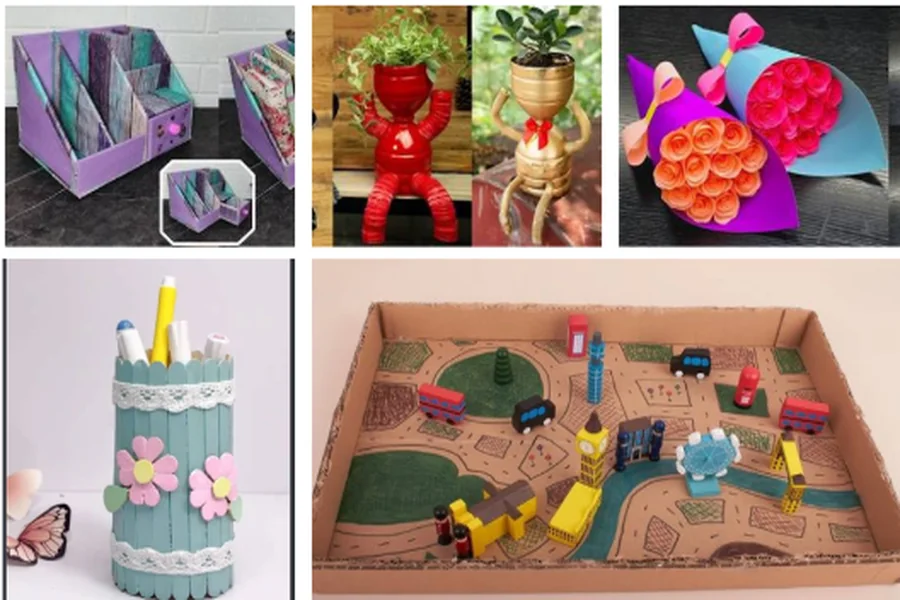
Figure 1. Some good DIY crafts for students
14. DIY Wall Hanging
A simple wall hanging can be made using a variety of fabric scraps, cardboard, string and natural materials. Students can explore texture and colour and learn basic design concepts.
15. Recycled Tin-Can Planter
Take the empty tin can, wash it thoroughly, and add decorations to the outside. It can then be used as a small planter. Children should not play with the container until you cover or remove any sharp edges.
16. DIY Paper Beads
Cut strips from old magazines and coloured paper, then roll them into beads. The beads can then be used in basic projects for making decorations. This is a great example of a creative activity using materials that might otherwise be tossed out.
17. Cardboard Marble Maze
Use a shallow cardboard box, strips of cardboard and a small marble or ball to make a maze. Students can create alternative pathways and determine if the maze is successful. It can be reduced to just an introduction to planning, design and problem-solving.
18. DIY Pencil Case
If you have some basic sewing skills, you can transform some fabric that you do not use into a basic pencil case. This project can teach simple measuring, cutting, and stitching skills.
19. Bottle-Cap Art
Gather clean bottle caps and create images, designs or pictures. Surprisingly detailed designs can be made with different colours. This is especially good for people creating their own artwork, or activities related to environmental awareness.
20. DIY Miniature Garden
Make a miniature garden using a small container. Fill it with soil, add plants, and include other decorative items like stones. Students can learn about the plants they select and basic plant care.
21. Recycled Cardboard City
Make buildings, roads, parks and vehicles out of cardboard boxes. A cardboard city is a great class project that combines geography, architecture, mathematics, and art.
22. DIY Subject Poster
Select a topic of study from the school and make an illustrated educational poster using cardboard, paper and recycled materials. For example, students could make posters on the solar system, food chains, historical events, or renewable energy.
DIY Projects by Purpose
Your project choice will depend on your desired outcomes.
| Purpose | Suitable DIY Project |
| School science project | Cardboard animal model |
| Art activity | Painted stones |
| Recycling project | Bottle planter |
| Desk organisation | Cardboard organiser |
| Reading activity | DIY bookmark |
| Geography project | Recycled cardboard city |
| Environmental project | Bottle or tin-can planter |
| Creative weekend activity | Paper flowers |
| Practical sewing project | DIY pencil case |
| Group school activity | Magazine collage |
This makes it easier to pick a project that fits the assignment, rather than one that looks good.
What Materials Are Commonly Used for DIY Projects?
Most simple do-it-yourself tasks require a few low-cost materials. Common options include:
- Cardboard
- Paper
- Old magazines
- Empty bottles
- Jars and tins
- Fabric scraps
- String
- Glue
- Scissors
- Paint
- Pencils and markers
- Craft sticks
- Clean bottle caps
If you need to buy something, look around the house first. Reusing materials can lower costs and be more environmentally friendly.
Best Budget-Friendly DIY Projects
For an easy, low-cost project, choose items you normally throw away. Cereal boxes can be organisers or models. Glass jars can be transformed into storage containers or plant pots. You can use magazine pages as collage material or paper beads. A good rule of thumb is to work with materials you already have, rather than buying new ones.
How to Make DIY Projects More Creative
An ordinary project doesn’t have to look ordinary. Students can personalise their work by changing:
- Colour schemes
- Shapes
- Textures
- Materials
- Themes
- Decorative patterns
Creativity should also serve the purpose of the assignment. A good-looking model can be even more effective if it conveys the information.
Safety Tips for Student DIY Projects
Activities should always suit the child’s age and ability when done with self-help.
Adult supervision may be required with scissors, craft knives, hot glue guns, paints and other tools. Do not use broken containers or materials with sharp edges.
When working on a project that involves electrical components, heat, or chemicals, students should follow the proper safety procedures and seek help from an adult or teacher.
Final Thoughts
You do not have to go overboard creating do-it-yourself projects, and you do not have to be a major antique collector and spend a fortune to do so. The best students’ DIY projects have a definite purpose, whether that is a homework task, learning a new skill, or making something nice to do.
Start with household materials, pick a project within your capabilities, and play to see what works and what doesn’t. Old bottles can be used as planters, cereal boxes as organisers, and old magazines as artwork.
The essence of DIY is not a flawless product. It is the ability to visualise an everyday object, imagine what it could be if made differently, and then see how it might be made.
FAQs
What DIY projects can you do at home?
Students can create organisers, bookmarks, paper flowers, photo frames, plant pots, collages and mini gardens in the comfort of their own homes. Many only need items such as cardboard, paper, bottles, and other household materials!
What are the best DIY projects for students?
The best project depends on the student’s age and purpose. Versatile cardboard models, crafts from recycled materials, educational posters, desk organisers, and paper crafts can support school and home activities.
What materials are commonly used for DIY projects?
Common materials include cardboard, paper, bottles, jars, fabric scraps, string, glue, paint, and recycled packaging. Using existing materials can keep projects affordable.
What are some budget-friendly DIY projects?
These are cheap alternatives to paper flowers, cardboard organisers, magazine collages, homemade bookmarks and recycled bottle planters. You can use many materials to make them.
What DIY projects can be made from recycled materials?
Students can create bottle planters, cardboard cities, magazine collages, tin-can organisers, bottle-cap artwork, paper beads, and cardboard models using recycled and/or reused materials.