Why More Homes Are Switching to Solar Backup Power?
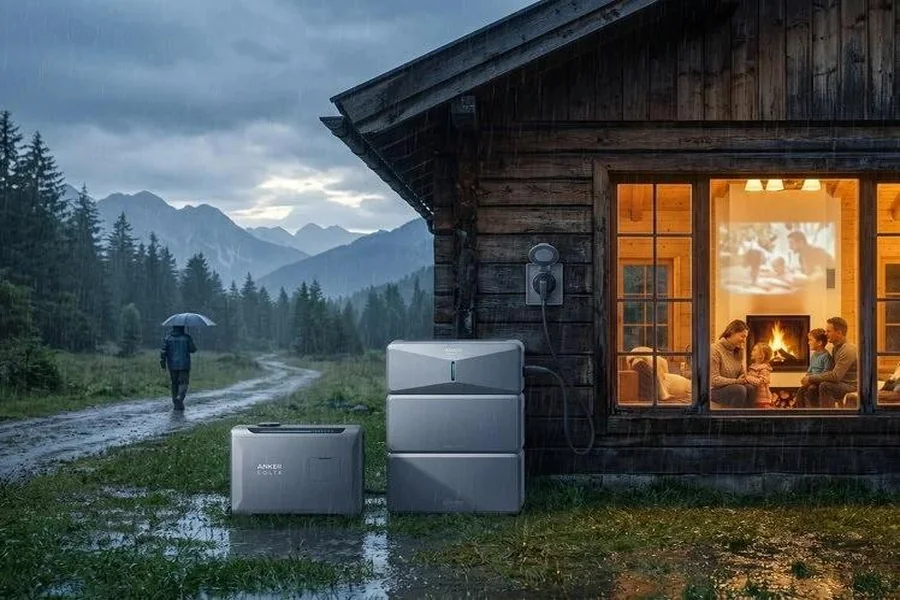
As more and more people want to be able to power their homes when the electricity goes out, solar backup power is becoming a viable home upgrade. Many homes are now opting to have solar energy stored and automatically released during power outages instead of relying on loud fuel-fired generators. Rising energy costs, increased energy resilience and a greater interest in clean emergency power are all contributing to this change. With a well-designed solar backup system, you’ll be able to keep your critical appliances running, increase your energy independence, and feel at ease in case of a storm, blackout, or any other interruption you don’t expect – and with minimal maintenance, that’s all you’ll need to do each day.
Why Solar Backup Power Is Becoming More Popular
Provides Reliable Power During Unexpected Outages
Delivers dependable power supply in case of unexpected outages Homes that experience more frequent and disruptive power outages in many areas are using solar backup power. Homes may be without power for hours or days due to severe weather, grid strain or equipment failures. A solar back-up system can help to maintain continuity if the power goes out by providing stored power to the necessary circuits around the home. That reliability is important in refrigeration, lighting, internet connection, medical appliances and communication tools. Backup power is no longer an emergency support for many families; it has become one of their core preparedness measures.
Reduces Dependence on Traditional Fuel Sources
The traditional gasoline, diesel, or propane powered backup generators can be costly, difficult to store and hard to access in the event of an emergency. Solar backup power helps to lessen that reliance by utilizing the sun’s energy to charge batteries and power household appliances. This not only provides homeowners with greater control over their energy source, but also eliminates the need for fuel deliveries, refueling stops and combustion related issues. A solar-powered system can over time make emergency planning more easy, and help to minimise price volatility in fuel costs for home power generation, making it more stable and easier to manage.
Supports Cleaner and Quieter Home Energy Use
Solar backup power is a popular choice for many homeowners because it doesn’t produce any fumes, noise or require continuous engine maintenance. Unlike other storage options, batteries don’t emit a sound in order to store energy, which makes them much less disruptive during overnight outages or extended use. Solar charging additionally helps save clean energy use during disasters, as it helps avoid combustion at home. It’s important for families who prioritize comfort, air quality and easy-to-clean appliances. The outcome is a back-up solution that is more easily integrated into a person’s everyday life, and is supportive of larger number of goals about cleaner, more efficient energy use.
How Solar Backup Power Improves Home Energy Resilience
Keeps Essential Devices Running During Emergencies
Solar backup power enhances the home’s energy resilience by ensuring that critical systems continue to function during an outage. Homeowners can focus on specific loads like refrigerators, freezers, lights, security systems, routers, sump pumps and specific outlets. This targeted assistance helps families to secure safety, keep food and medicine safe and be informed when severe weather or grid outages occur. Families have the opportunity to keep enjoying access to everyday functions without having to inhibit their daily lives. Being able to maintain critical services is one of the most valuable services that backup energy can provide.
Stores Solar Energy for Use Day and Night
One solution from solar energy is the battery storage, which enables solar energy to be stored when it is available, and then utilized in different times when the circumstances alter. That is, daytime electricity can be used for night time consumption, in cloudy weather, or after an outage starts. This stored energy provides flexibility and enhances the value of solar energy outside of daylight hours. For backup applications, the storage becomes the piece de la résistance and makes solar production reliable backup power. With this it provides home owners with an immediate power supply rather than being vulnerable when solar energy production decreases.
Combines Solar Generation With Battery Storage
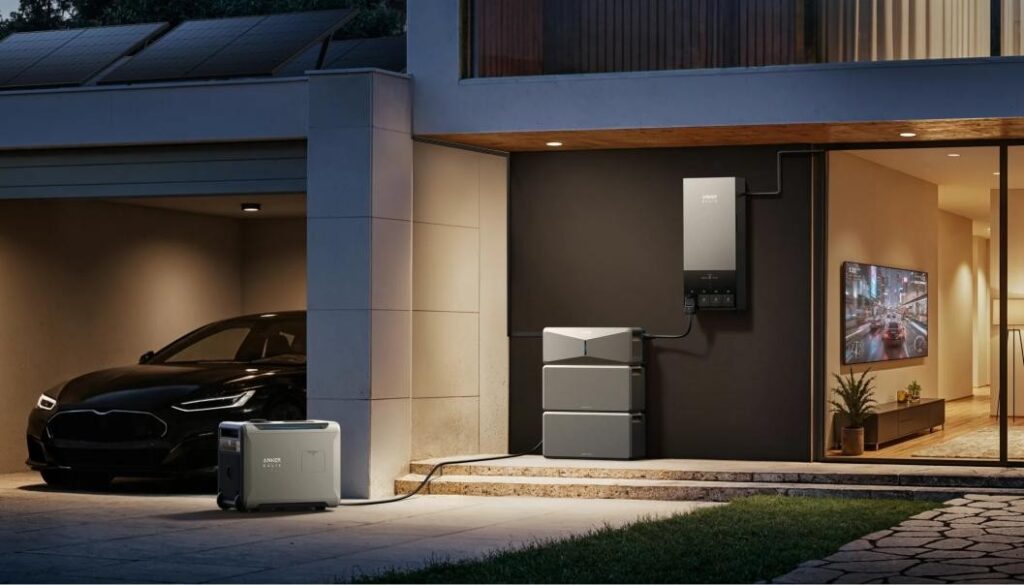
The most effective solar backup setups pair solar panels with battery storage and fast transfer capability. For homeowners comparing generator and solar power solutions, integrated systems provide a balanced approach by combining energy generation, storage, and backup performance. For example, the Anker SOLIX E10 offers 10-30kW Turbo Output, 7.6-22.8kW Rated Output, 6-90kWh battery expandability, 9-27kW solar input, and ≤20ms seamless switchover. That combination helps a system capture solar energy, store it for later use, and deliver backup power almost instantly during an outage. For homeowners, this integrated design supports both everyday energy management and stronger emergency readiness without relying on traditional fuel-based equipment.
What to Consider Before Switching to Solar Backup Power
Evaluate Your Home’s Energy Requirements
Homeowners should determine which circuits and devices require backup power before adopting solar backup power systems. The first step is to identify all essential loads, such as refrigeration, lighting, communications, medical equipment, heating and/or water equipment as appropriate. Then, make estimates of the amount of energy they use and the duration they need the energy to last. This step aids in determining the size and design of the backup. This clarity of priorities will help to avoid overspending, the system will perform better and the standby equipment will be able to adequately meet the most critical functions.
Choose Suitable Battery Capacity and Output Power
The amount of energy stored in a system and the number of devices it can power are based on battery capacity and output power. Capacity impacts run-time, output power determines whether larger appliances or more loads can be powered at the same time. These specifications should be matched with the actual backup requirements of the homeowner, and not selected in a random fashion. Too small and it won’t be able to support critical equipment, too big and it can be too expensive. Appropriate sizing leads to an effective, usable, and cost-effective combination of resilience, performance, and cost.
Prepare Your System Before Emergency Situations
The best backup occurs when it is completely set up before a power outage. Owners should verify the status of the batteries, check if any circuits are being backed up and what happens if the electrical grid is lost. Regular monitoring aids in the maintenance of appropriate settings, connections and monitoring devices. It is also useful to have some knowledge of the variation of solar production throughout the year and to account for longer periods of low production. It is important to prepare ahead of time to avoid confusion in emergencies and ensure that the system is in full operation when power is most important.
Conclusion
Solar backup power is becoming a popular option for more homes because it provides protection from outages, helps to improve energy quality and lower the reliance on fuel. Combined with solar energy, battery storage helps homeowners maintain energy resilience and power their critical systems. The answer lies in selection of an appropriate system and in putting it into place in advance of emergency. As a reliable, easy-to-maintain and cost controlled home energy solution, solar backup has become a sound choice for families looking for backup power.